Iran’s Fisheries Exports Surge More Than 50% Despite Wartime Pressures
Iran’s fisheries exports have risen by more than 50% from pre-war levels, reflecting the sector’s resilience and the continued operation of production chains despite military aggression and infrastructure sabotage attempts, a senior official said.
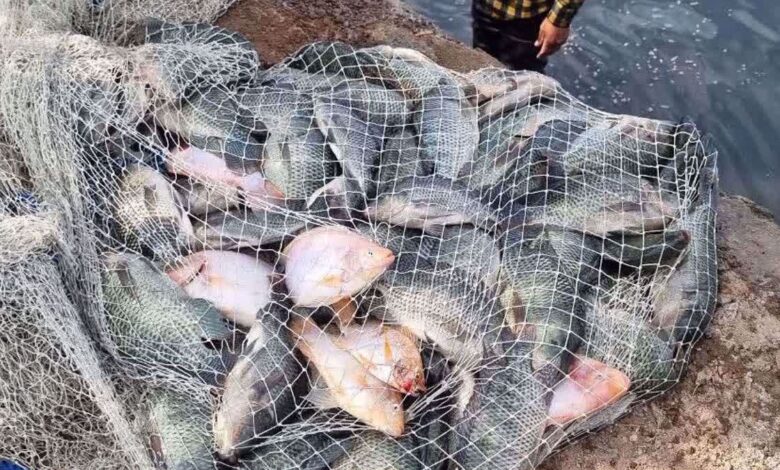
Iran’s fisheries exports have risen by more than 50 percent from pre-war levels, a senior official said, attributing the increase to the sector’s resilience and the continued operation of production chains despite military aggression and infrastructure sabotage attempts.
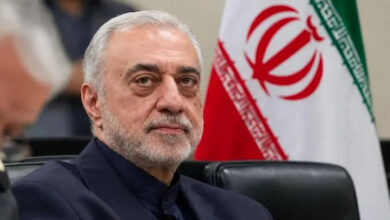
Hamzeh Rostampour, head of the Iran Fisheries Organization, made the remarks Friday during the 10th International Fisheries, Aquaculture and Seafood Industries Exhibition in Tehran.
“Despite the country operating under complex wartime conditions, its production and export networks have remained intact and expanded,” Rostampour said.
More than 40,000 tons of shrimp have been harvested from domestic farms so far this year, with an additional 60,000 tons expected to be produced during the remainder of the season, he said.
Deep-sea fishing operations conducted in accordance with Indian Ocean Tuna Commission regulations have increased by 35 percent this year.
A key driver of this growth is a substantial inflow of domestic capital, reducing reliance on state funding.
Rostampour said investments in the sector have nearly doubled in recent years.
“Before the war, 34 trillion tomans had been invested in the fisheries sector. That figure rose to 67 trillion tomans last year and has surpassed 40 trillion tomans so far this year,” he said.
The official said the private sector provides 90 percent of the capital, with substantial investment concentrated in southern coastal provinces such as Sirik and Qeshm, supporting the government’s plan to develop the Makran coast.
Supply chains weather sabotage attempts.
The sector came under direct threat during the 40-day US-Israeli war, which began in late February.
Rostampour said the industry has mourned the deaths of more than 40 fishermen and workers since the war of aggression intensified.
Despite the losses and deliberate efforts to disrupt logistics, the supply chain remained intact.
Rostampour said trucks carrying aquaculture feed continued operating without interruption despite attacks targeting bridges in Hormozgan province, underscoring the resilience of the domestic transport network against logistical disruption.
**Iran ranks among the world’s top five countries in aquaculture production growth: Official**
Rostampour said the fisheries sector should be regarded as a strategic pillar of national food security, employment generation and the promotion of “reverse migration” to support development in Iran’s southern coastal regions, rather than merely as a traditional production sector.