Venezuelan Medicine Prices Skyrocket Amid U.S. Sanctions
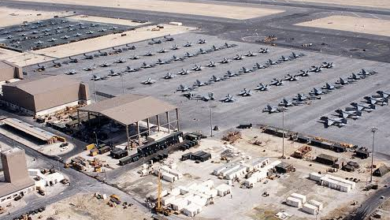
The cost of certain essential medications in Venezuela has surged to such heights that they are beyond the reach of the average citizen. This development unfolds as the United States has intensified its military presence in the Caribbean, near Venezuela's coast, in tandem with increasing sanctions, blockades, and military threats against the oil-abundant South American country since late August.
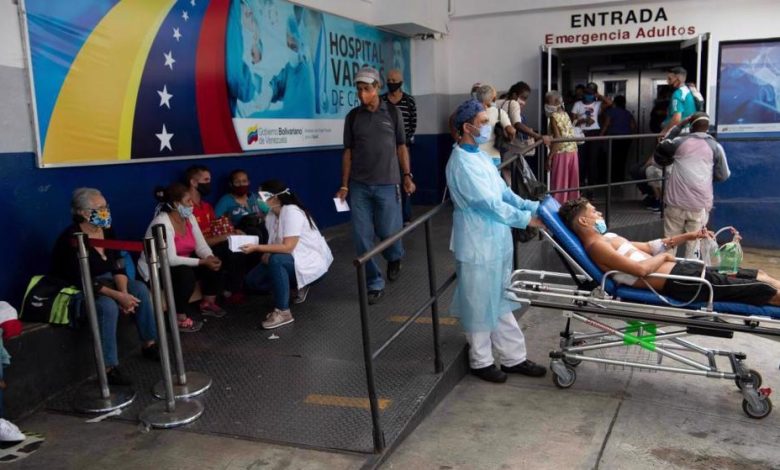
In a northeastern suburb of Caracas, capital city, residents continue to access a variety of common medications at a major supermarket. However, certain antibiotics are now out of stock, and some essential first-aid medicines and supplies have become prohibitively expensive for average citizens.
A local resident, Alfonso, expressed his primary intention to purchase antibiotics, citing lung issues as the reason. However, he disclosed difficulties in obtaining certain medications, specifically naming vancomycin as unavailable.
Giovanna Gonzalez, a pharmacist at the supermarket, reported that ongoing tensions have significantly disrupted the supply and pricing of essential medications. The cost of cancer drugs, insulin, and albumin has surged dramatically, making them unaffordable for the majority of patients in the area.
Approximately 90 percent of the raw materials required for pharmaceuticals in Venezuela are sourced from imports, while the nation’s medical equipment, including monitors and anesthesia machines, are nearly completely reliant on foreign supplies.
In November, several major international airlines halted their flights to and from Venezuela. Concurrently, U.S. blockades have caused significant delays for cargo ships, prolonging their journeys by up to a month. Additionally, some shipping companies have opted not to dock in Venezuela due to prevailing safety concerns.
Venezuela has been entrenched in a complex humanitarian crisis identified by the World Health Organization for nearly a decade. Should the suspension of flights continue, international companies will be compelled to opt for more challenging or extended transportation routes. This is anticipated to further inflate the already steep prices of pharmaceuticals and medical supplies in Venezuela, thereby imposing greater financial burdens on patients, according to Huniades Urbina-Medina, president of the National Academy of Medicine of Venezuela.