Yemeni Leader Praises Iranian Military as Model for Muslim World
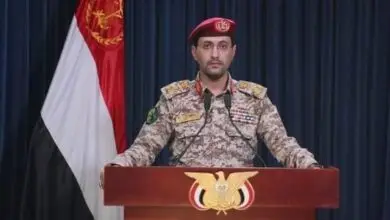
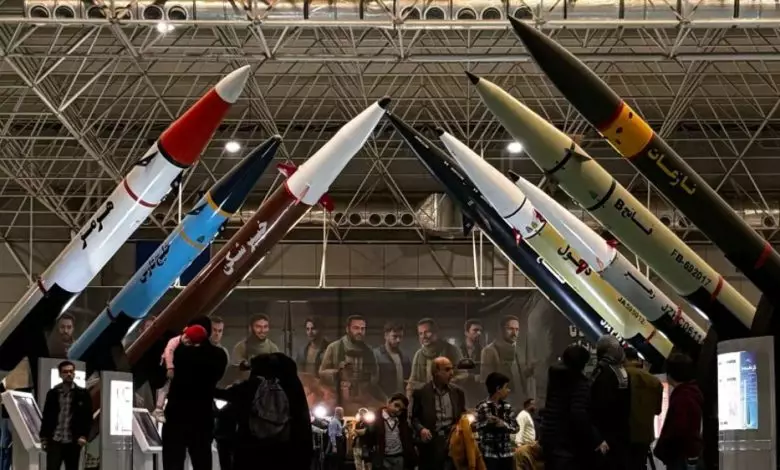
Mahdi al-Mashat, leader of Yemen's Supreme Political Council, has praised the capabilities of Iran's military forces, particularly the Islamic Revolution Guards Corps (IRGC). He noted that their response during recent US-Israeli hostilities demonstrated remarkable resilience, determination, and military prowess.
On Tuesday, Al-Mashat extended congratulations to Iran’s leaders and citizens, celebrating the nation’s triumph over the challenges posed by the United States and Israeli actions.
He stated that Iran’s achievements align with the interests of regional countries and the broader Muslim community, while also enhancing regional security and stability.
Al-Mashat praised the Iranian armed forces and the Islamic Revolutionary Guard Corps, stating they have set an impressive example of resilience, steadfastness, and strength for the Muslim world.
He commended Iran’s handling of the conflict, emphasizing the country’s decisive response to assaults and the focus on the interests and bases of the attackers.
Iran’s military response, alongside public resilience and national unity, significantly contributed to stopping the attacks and thwarting the aggressors’ objectives.
In his address, he asserted that the recent conflict has demonstrated a definitive end to the period of unchecked aggression, highlighting that the resolve of free nations can establish deterrent frameworks capable of thwarting assaults on sovereign states.
A Yemeni official stated that Iran’s steadfast commitment to the “unity of resistance fronts” was instrumental in compelling a cessation of Israeli strikes on Lebanon.
He stated, “The adversary comprehends solely the language of strength,” asserting that strategies centered around compromise and concession merely result in heightened pressure and increased demands.
Al-Mashat emphasized the necessity for heightened vigilance, safeguarding of accomplishments, and unwavering commitment to the “unity of resistance fronts” principle.
He urged regional governments to leverage the current opportunity to enhance mutual trust, broaden cooperation, and establish relationships grounded in mutual respect.
Hundreds of thousands of Yemenis gathered for mass demonstrations in Sanaa and other cities on Tuesday, celebrating what they described as Iran’s “historic victory” over the United States and Israel. Participants also condemned recent comments made by Trump concerning the sacred city of Mecca.
Reports indicate that millions participated in demonstrations spanning over 220 public squares across 14 provinces. Marchers displayed flags from Yemen, Iran, Palestine, Lebanon, and Iraq, while voicing their support for the “axis of resistance” through various chants.
A statement released by the marchers extended congratulations to Iran, Hezbollah, and the Axis of Jihad and Resistance for what they termed a historic victory over the global criminal forces. The statement also remarked that Trump’s derogatory comments about Mecca were indicative of a vindictive mindset, coinciding with what they labeled as his historic defeat.
In a distinct declaration, Abdul-Malik al-Houthi, the leader of Ansarullah, extended his congratulations to the leadership and citizens of Iran for their triumph against what he described as “the arrogant tyrants of the era, America and Israel.” He further urged the people of Yemen to consolidate their efforts to terminate the ongoing Saudi-American blockade.
On Sunday, Iran’s Ministry of Foreign Affairs revealed that the Memorandum of Understanding between Iran and the United States has been finalized, with a formal signing set to take place in Switzerland on Friday.
An official statement announced that all hostilities, including those in Lebanon, are to come to an immediate and permanent halt starting Sunday night.
On February 28, the United States and Israel initiated a new phase of actions targeting Iran, which have been characterized as unprovoked aggression.
During the American-Israeli aggression that persisted until April 7, Iranian armed forces launched counter-operations targeting the aggressors’ interests and also addressed Israeli breaches of commitments in Lebanon.
The Memorandum of Understanding, grounded in Iran’s initial 14-point proposal introduced at the beginning of the ceasefire negotiations, has undergone multiple reviews in both nations’ capitals over the past two months.
Throughout the negotiations, both Tehran and Washington laid out their respective positions on the proposed text, articulating their stances at various stages of the discussions.
Amid mounting pressures, ceasefire violations, and shifting positions from Washington, Iran has steadfastly upheld its stance.
After the Memorandum of Understanding was signed, the two nations are anticipated to engage in a series of intensive negotiations spanning the next 60 days, aiming to finalize a comprehensive agreement on contentious matters.