Mohajerani: Our armed forces will act as needed
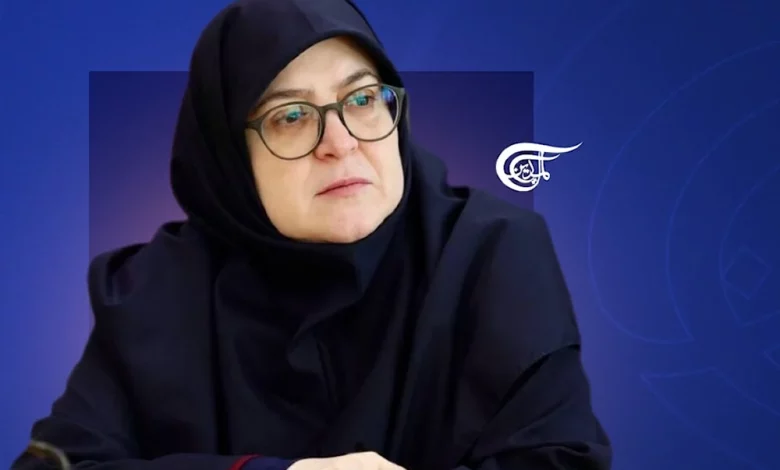
In an interview with Al Mayadeen, Iranian government spokesperson Fatemeh Mohajerani addressed the recent unrest across Iran, reaffirming that peaceful protests were acknowledged by the state but were later hijacked by infiltrators with violent agendas. She also detailed major economic reforms, highlighted foreign interference, and reiterated Iran’s commitment to diplomacy while warning against threats to national sovereignty.
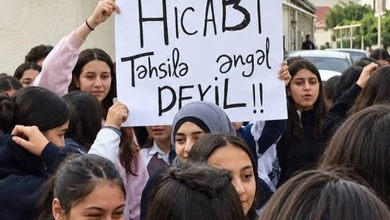
Mohajerani began by recognizing that traders, shopkeepers, and citizens had legitimate demands during recent demonstrations, stating: “The protests began peacefully but were later hijacked by some, who turned the streets into chaos, causing death and injury. But our people know well that enemies are lurking, waiting for an opportunity to target this land. That’s why they came into the streets in support.”
She confirmed that normal life has resumed, and commercial activity is back across major cities. However, she distinguished between peaceful demonstrators and rioters, noting that the latter exploited public anger, particularly among the youth, and pushed for violence against public institutions. “As a mother, I grieve deeply for all our youth, both the protesters and the security forces, who were killed or injured in our cities.”
Citing the events of January 8 and 9, she described a harrowing incident in Rasht, where a nurse was burned alive, calling it an act resembling those ISIS.
Economic reforms and direct support
Mohajerani detailed ongoing economic reforms led by the government, designed to reduce intermediary subsidies and strengthen direct support to citizens: “We have begun implementing fundamental economic reforms, coordinated with various government institutions. One key step was reallocating subsidized foreign currency, previously used by certain import companies, directly to the people instead.”
Speaking to Al Mayadeen, she outlined a new monthly support basket, where goods worth 1 million tomans are provided to every Iranian citizen. This support has been paid in advance for four months to about 59 million people, totaling 50 trillion tomans. “The reforms go beyond food and essentials. They include support for producers and service providers, such as working capital loans and easier bank credit access.”
Rioters vs. protesters: clear distinction
Mohajerani emphasized the government’s legal framework for protests, noting that attacks on ambulances, public property, and government institutions are clear violations of the law. She reiterated that security forces can distinguish between protesters and armed rioters.
“Protesters want reform, while rioters attack buildings and burn property. For example, 158 ambulances were damaged in recent days, clearly not the work of peaceful demonstrators.” She added that security forces and intelligence agencies monitor and act against those connected to foreign or militant networks.
Mohajerani reported significant damage in Tehran, Mashhad, and Isfahan, with 3 trillion tomans in losses estimated in Tehran alone. She also accused foreign actors, specifically Mossad and US elements, of clear involvement:
“This time, foreign interference was so obvious…US figures like Mike Pompeo admitted involvement, and Israeli officials even boasted about Mossad agents being present in Iranian protests.” She said the goal was to derail peaceful protests and incite bloodshed, which ultimately led to the deaths of Iranian civilians.
Iran’s civilizational role and global threats
Referencing remarks by Leader of the Revolution Sayyed Ali Khamenei, Mohajerani stressed that Iran’s enemies harbor deep civilizational hostility toward the country. “Iran, with its thousands of years of civilization, remains a cornerstone of global heritage.”
In her talk with Al Mayadeen, she pointed to efforts to weaken Iran through sanctions, targeting medicine and essential goods, accusing adversaries of seeking to destroy the country itself, not just its government. Despite these threats, Mohajerani reiterated Iran’s preference for diplomatic resolution: “We will not start a war, but our armed forces will act as needed to defend our homeland.”
She referred to the January 12 mass demonstration, which she said reaffirmed the people’s support for the Islamic Revolution, the Leader, and national principles, while also distinguishing between protest and rioting, despite the strain of US-imposed sanctions. “Let us resolve our issues through diplomacy. But if insecurity spreads, and flames rise, they could burn not only the region, but the world.”