Terrorist ‘israel’ Considering Unprecedented Alliance with Syria’s HTS to Counter Hezbollah
A recent report suggests that Syria's ruling militant faction Hay'at Tahrir al-Sham (HTS) might ally with Israel against the Lebanese Hezbollah resistance movement. This development comes after Israel's unsuccessful attempt to occupy southern Lebanon.
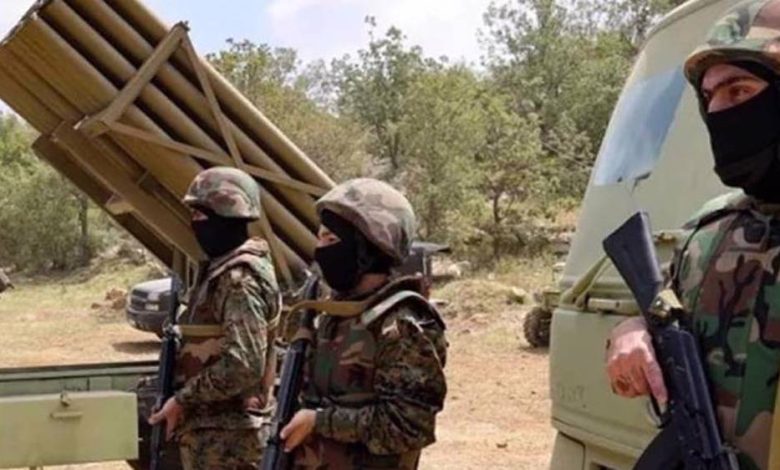
Israeli newspaper Maariv reported on Saturday that Israeli officials have expressed doubts about their ability to conquer southern Lebanon and defeat Hezbollah under their existing strategy, which relies on the Lebanese Army to engage with the resistance group.
It has been alleged that there are plans to leverage HTS forces as proxies to engage Hezbollah from both the northern and eastern fronts.
Maariv reported that a more nuanced and dramatic evaluation is beginning to take shape within this context.
According to the newspaper, only two entities in the region remain both capable and willing to combat Hezbollah: Israel and the new Syrian regime under the leadership of former al-Qaeda militant, Abu Mohammad al-Jolani.
According to reports from Israeli sources, the situation is described as a confluence of mutual interests, rather than a traditional alliance. From Israel’s point of view, this regime views Hezbollah as a nemesis and could potentially emerge as a partner in terms of interests within the Lebanese context, as reported by Maariv.
A potential development may emerge where arrangements between Israel and HTS are established. This would entail the Israeli military asserting control over southern Lebanon, while HTS militant forces would engage in operations in northern Lebanon targeting Hezbollah.
According to sources cited by the Israeli publication, this option is under review due to the perceived “failure of all other routes.”
Sources indicate that both direct and indirect communications are underway between Israeli officials and representatives from Syria’s HTS concerning the matter, potentially with mediation from the United States.
Should France, Germany, and other Western nations fail to propose an alternative strategy to neutralize Hezbollah, there is speculation within Israel that the United States may refrain from obstructing such actions, potentially even offering its tacit approval ultimately.
On March 2, Israel renewed its intense military campaign against Lebanon in response to Hezbollah’s retaliatory actions. These developments followed a period of 15 months during which Israel was reported to have violated the ceasefire.
The event coincided with the initiation of a large-scale and unprovoked military conflict launched by the United States and Israel against Iran on February 28.
Since that time, Israeli forces have launched an intensive bombing campaign, targeting sites throughout Lebanon, including the capital city of Beirut. This offensive has resulted in the deaths of hundreds of civilians, rescue workers, and resistance fighters.
Israel has initiated a ground operation aimed at seizing control of the territory in South Lebanon, advancing towards the strategically significant Litani River.
Hezbollah fighters have mounted strong resistance on the ground, successfully preventing Israeli forces from advancing deeply into Lebanon and neutralizing the movement.
Lebanese officials report that Israeli attacks since March 2 have resulted in the deaths of at least 1,345 individuals, with an additional 4,040 people injured.