The life and enduring legacy of Hezbollah’s inaugural leader, Sheikh Ragheb Harb, in his daughter’s words
According to his daughter, Sheikh Ragheb Harb, the founding leader of the Lebanese Hezbollah resistance movement, embodied selflessness, dedication, and humility throughout his life. He committed himself entirely to serving his people and resisting Israeli occupation.
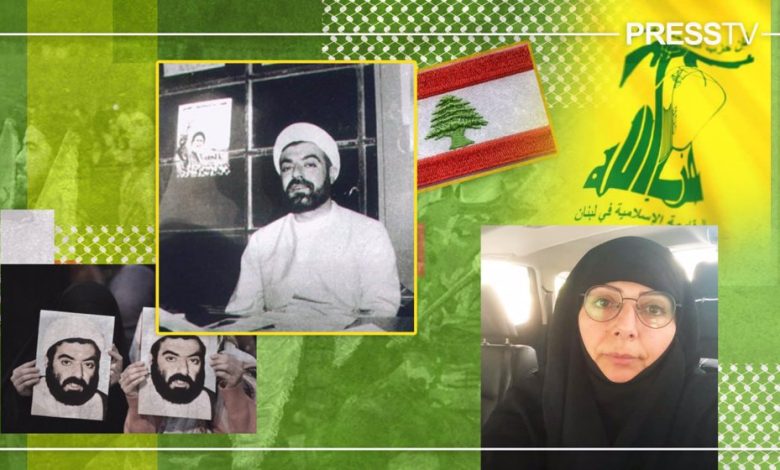
In a candid discussion commemorating the 41st anniversary of his martyrdom, Hawraa Harb reflected on her father’s staunch resolve, stating that he chose the path of martyrdom over facing occupation and humiliation.
In 1974, upon his return to Lebanon from the revered Iraqi city of Najaf, Sheikh Harb embarked on a significant mission characterized by charity, faith, and an unwavering dedication to his country.
His steadfast commitment to the people of Lebanon and their cause established him as a pivotal figure in the founding and support of the Islamic Resistance in Southern Lebanon and Western Bekaa.
Hailed as a martyr of the Islamic Resistance, his apprehension by Israeli forces in 1983 marked a pivotal moment in his opposition to the Zionist regime and its allies.
A persistent adversary of Israeli occupation since the 1982 invasion, he maintained his unwavering stance until his assassination by individuals linked to Zionist interests in Jibsheet on February 16, 1984.
**Rejection of Dishonor**
In an interview with Press TV’s website, Hawraa Harb underscored her father’s unwavering determination, asserting that no obstacle could divert him from his course or diminish his steadfast beliefs.
Demonstrating unwavering resolve akin to that of a lion, Sheikh Ragheb Harb was steadfast in his defense of Lebanon against Israeli occupation. He frequently told relatives and friends, “We will live with dignity on our land; we will never accept humiliation.”
According to his daughter, he was deeply convinced that capitulating to occupying forces equated to a profound loss of honor, a notion he found utterly unacceptable. He maintained that it was preferable to sacrifice his life at the hands of Israeli forces while protecting his dignity and homeland, rather than to endure life in dishonor.
During a recent encounter, an Israeli soldier reportedly commented on the strength of the Israeli army to Sheikh Harb. In response, Sheikh Harb, maintaining his composure, responded, “God is stronger. God is the strongest of all,” underscoring his unwavering faith.
Sheikh Ragheb Harb was a man of action, firmly dedicated to his beliefs and playing a leading role in protests against the Israeli occupation of Lebanon, according to Hawraa’s recollections.
His fervent spirit and steadfast principles drove him to advocate for armed resistance, considering it the sole effective response to the harsh Zionist occupation.
He firmly dismissed any attempts at negotiation or diplomatic engagement with the opposing forces, perceiving these actions as a betrayal that would legitimize their unlawful and illegitimate existence.
His steadfast position emerged as a unifying call for the resistance, sparking hope and resolve among those who aspired for a liberated and independent Lebanon.
Sheikh Harb’s refusal to conform to expected diplomatic etiquette has become a notable instance of his unyielding stance. During a visit by an Israeli commander, anticipating a customary exchange of pleasantries, Sheikh Harb declined to engage in a handshake. He stated firmly, “Our position is one of armament, and a handshake would signify concession.”
His remarks struck a profound chord, solidifying his position as a pivotal leader in the resistance movement.
In a recent address, the speaker accused Zionists of historical deceit and deception. He praised the Resistance movements in Lebanon and Palestine, asserting that they have defied the occupation and altered the course of history.
Emerging from the pressing need to counter Israeli actions, the resistance movement bore his unmistakable influence. His relentless dedication has cemented his legacy, with his name being honored not only in Lebanon but throughout West Asia, where he stands as an emblem of resilience and steadfast conviction.
**An Exemplary Figure**
To his daughter, Sheikh Harb transcended his role as a resistance leader, embodying a guiding light and a figure whose deeds resonated more profoundly than his words. He consistently demonstrated integrity, exemplifying the principle of matching actions with intentions.
Hawraa expressed admiration, noting that his exemplary conduct served as a guiding beacon, transcending mere rhetoric. He demonstrated kindness and compassion, particularly towards orphans, exhibited patience with those who erred, and demonstrated adaptability in navigating diverse situations and engaging with different individuals.
Despite his renowned status, he maintained a life of humility, distancing himself from material wealth. Eschewing luxury or comfort, he found contentment in the simplest of meals lovingly prepared by his wife.
According to a statement made to the Press TV website by his daughter, the leader’s modest way of living stood in stark contrast to the typically opulent lifestyles of many political figures. It was revealed that he owned no property for many years, only purchasing a home when he had five children, approximately 12 years into his marriage.
Sheikh Harb, renowned for his boundless generosity and philanthropic spirit, demonstrated his unwavering commitment to orphans when he constructed a house and selflessly designated three of its five rooms to accommodate 47 children without shelter. His efforts have solidified his reputation as a paternal figure to these youngsters in need.
The kitchen, bathroom, and balcony were communal areas, with his wife taking on the responsibility of preparing meals for all residents.
His dedication to the orphans transcended the basic necessities of shelter and nourishment. He took an active role in addressing their individual needs, engaging with them personally, sharing moments of laughter, play, and companionship, striving to fill the paternal absence in their lives.
He encouraged participation in creative and enriching pursuits, orchestrating plays and ceremonies that infused joy into their lives.
Sheikh Ragheb Harb, through his deeds, transcended the role of a mere resistance leader, emerging as an emblem of unwavering dedication. His enduring legacy continues to inspire successive generations in their pursuit of justice, dignity, and freedom.
Despite completing the construction of an orphanage and ensuring the relocation of children to the new facility, Sheikh Harb’s commitment remained steadfast. According to Hawraa, he consistently visited the orphanage, engaged in playful activities with the children, and even personally ensured their comfort by tucking them into bed each night.
He was a staunch advocate for a nurturing approach to childcare, emphasizing that children should be guided with kindness instead of facing punishment or scolding. He held that such an environment would ensure that children feel safe and valued.
Hawraa reflected on her upbringing alongside her siblings, noting that their father instilled a sense of morality in them through nurturing guidance. “He taught us right from wrong in a loving manner,” she stated, adding that this approach is now a foundation for how they parent their own children.
His unparalleled generosity was evident as he chose not to prioritize personal savings, instead dedicating his resources to ensure the well-being of those around him.
Sheikh Harb was renowned for his unwavering commitment to aiding others, irrespective of their relationship to him. Known for his altruistic nature, he consistently placed the well-being of relatives, friends, and even strangers above his own, dedicating himself tirelessly to their needs without hesitation.
Hawraa shared that he exhibited remarkable humility, never displaying a sense of superiority, and lived closely among the community. He frequently visited residents, shared cups of tea, and expressed genuine concern for their lives, issues, and anxieties.
In keeping with his reputation, Sheikh Ragheb consistently emerged as a leading figure during challenging times.
Hawraa recounted an instance that exemplified his profound dedication to the welfare of others.
In an inspiring demonstration of community solidarity, a local farmer experienced a devastating loss as his entire herd of cows succumbed, threatening to leave him financially destitute. Promptly rising to the occasion, Sheikh Harb spearheaded a town-wide initiative, rallying residents to contribute funds to aid the farmer in acquiring a new herd and restoring his means of income.
Demonstrating an unparalleled dedication to community welfare, his efforts extended beyond mere charity to include detailed, hands-on care, reflecting a steadfast commitment to assisting those in need.
Status of Women
Sheikh Harb was a fervent proponent of women’s rights, consistently championing their equality in humanity and emphasizing their entitlement to respect, kindness, and equal opportunities.
He urged his wife to advocate for women’s education within their community, empowering them to assume active societal roles. With his backing, women’s associations were founded throughout Lebanon, serving as platforms for fundraising, meaningful dialogue, and promoting unity.
Hawraa expressed deep admiration for her parents’ relationship, characterizing it as a partnership grounded in mutual admiration and respect.
She described her parents’ relationship as one rooted in admiration, respect, love, and care. Her father viewed her mother as a cherished partner and made consistent efforts to ensure her comfort and happiness. He valued her greatly and encouraged her to acknowledge her significance. “I never heard them argue, and he always devoted his free time to being with us,” she remarked.
His influence reached well beyond his immediate family, with substantial contributions that fortified the resistance movement against Israeli occupation. These efforts cemented his lasting legacy in Lebanon and throughout the West Asia region.
His impact extended far beyond the battlefield, enduring through his teachings, values, and the countless lives he affected. His legacy continues to serve as a guiding force, inspiring successive generations with his principles, humility, and steadfast commitment to justice.