9,500 Palestinian Prisoners Face Hunger, Torture and Medical Neglect in Israeli Prisons
The Palestinian Prisoner Society says about 9,500 Palestinian detainees are being held in Israeli prisons under catastrophic conditions, including starvation, physical and psychological abuse, and intentional denial of medical care.
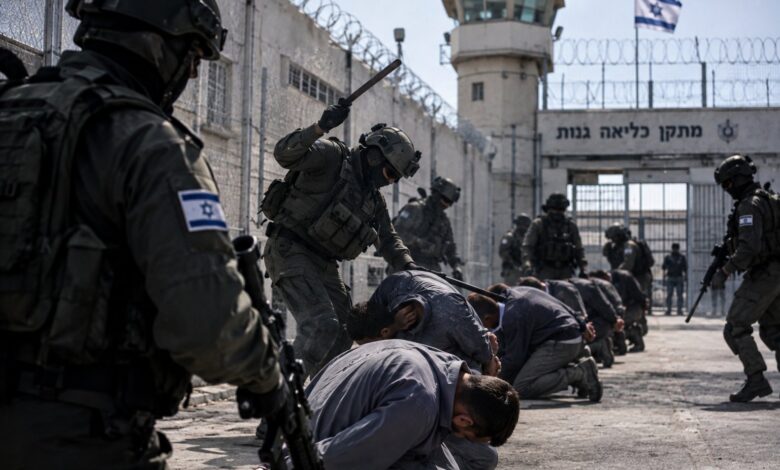
The Palestinian Prisoner Society said about 9,500 Palestinian prisoners are facing catastrophic conditions in Israeli prisons, including starvation, physical and psychological torture, and deliberate medical neglect.
Amjad al-Najjar, director-general and spokesperson for the PPS, said testimonies had documented worsening abuses against Palestinian detainees, including cases in which prisoners were unaware of the deaths of their parents or children due to prolonged isolation and restrictions on family contact.
In radio remarks on Wednesday, al-Najjar said punitive measures had escalated sharply since Oct. 7, 2023, exposing thousands of prisoners to systematic deprivation, abuse and worsening health conditions.
He said the violations went beyond physical assaults during interrogations and in prison cells, also encompassing the denial of adequate food, medical care, clothing and basic hygiene supplies.
These conditions have exacerbated health problems and fueled the widespread spread of infectious diseases among prisoners.
An estimated 80% of prisoners are affected by scabies.
Al-Najjar warned that scabies has spread widely through Israeli prisons, estimating that about 80% of Palestinian detainees have contracted the disease.
He said similar symptoms had been observed among recently released prisoners arriving at the al-Dhahiriya checkpoint, underscoring the effects of inadequate medical care and poor detention conditions.
The PPS official also cited testimonies about conditions at Rakefet, a secret underground detention facility in the Ramla area. The accounts said prisoners were denied mattresses and blankets for prolonged periods, provided inadequate food in degrading conditions, and subjected to systematic weight monitoring as their rations were reduced.
Al-Najjar said the practices clearly demonstrate a deliberate policy of starvation and mistreatment.
Women and children have been subjected to severe abuses.
The PPS official expressed particular concern over the treatment of Palestinian women prisoners, especially those with serious medical conditions.
He cited the case of 60-year-old Amal al-Rifi, a cancer patient who was arrested after returning from medical treatment in Cairo. Al-Najjar said she had not received a medical examination since her arrest, warning that the lack of care posed a serious risk to her health.
He said children have also endured harsh detention conditions, noting that some detained minors were born as recently as 2012. Al-Najjar said the children face prison raids, physical violence and food deprivation.
He cited the case of Palestinian prisoner Walid Khaled Ahmed of Silwad, who the Palestinian Prisoners Society said died in Israeli detention as a result of starvation, according to a medical report.
Documenting reports of torture and sexual abuse.
Al-Najjar said the PPS is documenting testimonies of torture and sexual assault in Israeli prisons in line with international legal standards.
The organization seeks to compile case files that could support legal proceedings against those responsible before international courts and tribunals.
He said recording some testimonies can take several days, given the severity of the abuses detailed and the deep psychological trauma endured by survivors.
The PPS official also condemned the ICRC’s continued denial of access to Palestinian prisoners, as well as restrictions on lawyers’ visits and communication with detainees.
He said the measures cut prisoners off from the outside world, strip them of basic legal and humanitarian protections, and leave families for long periods without information about their relatives’ condition or whereabouts.
Calls for international intervention and accountability.
Al-Najjar urged immediate Palestinian and international action to protect prisoners and end alleged violations in Israeli detention facilities.
He called on international delegations visiting the Palestinian territories to meet with prisoners’ families, giving them an opportunity to describe their relatives’ experiences and voice their concerns directly to international representatives.
The PPS official called for stronger pressure to end torture, starvation, solitary confinement and medical neglect, while ensuring detainees receive adequate legal protection and healthcare.
Reports of abuse have continued to rise since October 2023, amid expanding Israeli arrest campaigns across the occupied West Bank, occupied Jerusalem and the Gaza Strip.
Palestinian prisoners’ rights organizations reported that more than 9,400 Palestinians were being held in Israeli prisons and detention centers as of October 2026, including 88 women and at least 350 children.
The figures also included more than 3,100 administrative detainees held without charge or trial, as well as over 1,400 detainees from Gaza whom Israeli authorities classified as “unlawful combatants.”
Al-Najjar warned that harsh detention conditions, inadequate medical care and limited access to the outside world are posing an increasingly grave threat to prisoners’ lives.
He urged international human rights organizations to act immediately to protect Palestinian detainees and hold those responsible for violations against them accountable.