Tehran Issues Warning on Potential Regional Impact of Afghanistan-Pakistan Border Clashes
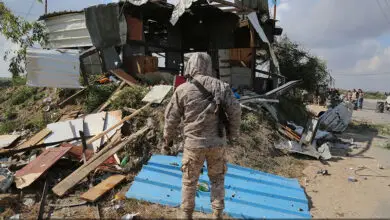
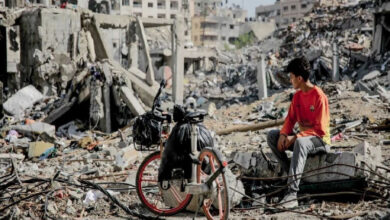
The spokesperson for Iran's Ministry of Foreign Affairs has issued a warning about the perilous "spillover" consequences of the ongoing cross-border skirmishes between Pakistani and Afghan forces. The two nations have engaged in lethal exchanges of fire at various points along their shared border in recent days, raising regional concerns.
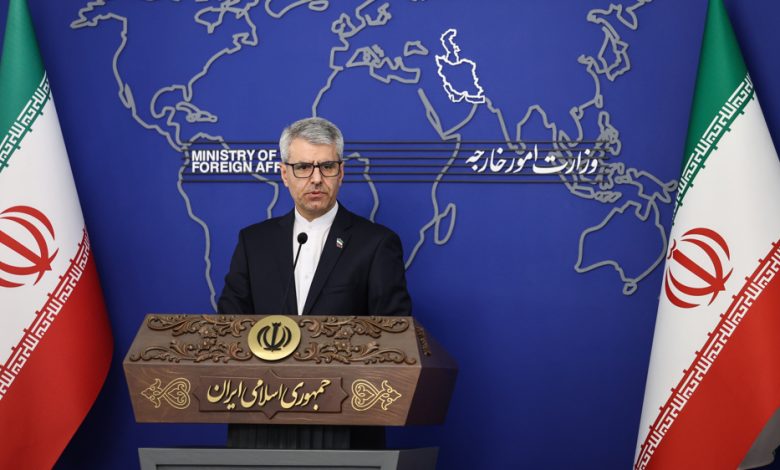
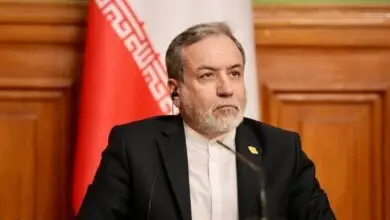
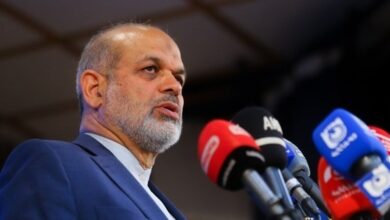
Esmaeil Baghaei, speaking at a weekly press briefing in Tehran on Monday, emphasized the significance of security and stability in neighboring countries. Highlighting Afghanistan and Pakistan as important Muslim neighbors, Baghaei pointed out that any strains in their bilateral relations have the potential to impact beyond their own borders.
The Islamic Republic of Iran has urged both Afghanistan and Pakistan to engage in dialogue and exercise restraint. It stressed that the disputes between the two nations should be resolved through constructive communication and interaction, he added.
In the midst of escalating tensions, Pakistan’s military has reported the elimination of over 200 Afghan combatants. Conversely, Afghan authorities assert that they have killed 58 Pakistani soldiers during night-time skirmishes along the border.
Zabihullah Mujahid, the spokesperson for the Taliban government in Afghanistan, announced on Sunday that 30 additional Pakistani soldiers sustained injuries. He also stated that a “significant amount” of Pakistani weaponry has been seized by Afghan forces.
Pakistan’s military reported that 23 of its “brave sons” lost their lives in the recent clashes. In response to the situation, authorities decided to close the border with Afghanistan.
Border tensions escalated following Thursday’s explosions in Afghanistan, with the Taliban attributing responsibility to Pakistan. This incident marks the most significant rise in hostilities in recent months, amid ongoing strained relations fueled by Islamabad’s accusations that Afghanistan is sheltering armed groups responsible for attacks within Pakistan.
In his remarks, Baghaei highlighted the legal expiration of UN Security Council Resolution 2231 and voiced criticism towards European efforts to extend the resolution.
October 18 is the designated end date for Resolution 2231 along with its associated restrictions. It is the stance that this resolution should conclude promptly on this date. It is important to highlight that the Security Council has not made any new decisions regarding this matter. The current discussions surrounding the “Restoration of the repealed Security Council resolutions” are a consequence of actions initiated by the European trio—France, Germany, and Britain.
A senior Iranian diplomat has highlighted the current legal disarray surrounding Iran’s nuclear activities, noting that the five resolutions unanimously adopted from 2006 to 2010 are expected to be reinstated, according to the three European nations. This move, however, faces strong opposition from China and Russia, leaving the responsibility for the existing situation with the three initiating countries.
A spokesperson highlighted that the reimplementation of UN sanctions on Iran is deemed unlawful and contradicts the established protocols outlined in the JCPOA and Resolution 2231. “We urge various nations to abstain from enforcing this action,” the spokesperson stated.
**’Lack of Good Faith in European Troika’s Statement’**
In response to the recent actions taken by European nations and a statement condemning Iran, Baghaei labeled it as a reiteration of the familiar stance that the European trio has consistently maintained at various junctures.
He stated that the statement encompasses stereotypical rhetoric, parts of which lack relevance, while the remainder appears devoid of good faith or sincerity.
A spokesperson emphasized, “The assertion that Iran should not obtain nuclear weapons is evident and clear-cut, as Iran is neither pursuing nuclear armaments nor possesses them. Meanwhile, these nations profess support for diplomacy. However, as diplomatic efforts were progressing, it was these three European nations that, by exploiting the snapback mechanism in the JCPOA, stalled the diplomatic process.”
Baghaei emphasized the importance of European nations showcasing their ability to act independently, coupled with the requisite seriousness, diplomatic skills, and decision-making authority. This, he noted, is essential for establishing credibility in negotiations, both in the eyes of global public opinion and among international governments.
**”Unfavorable Encounters”**
In response to the inquiry regarding Trump’s recent remarks about cooperation with Iran during his visit to the Israeli-occupied territories, Baghaei remarked that Tehran’s previous experiences with Washington have been unfavorable.
In recent decades, and more notably in the past few months, there has been a noticeable increase in military actions by the United States and Israel targeting Iran. He emphasized that future decisions will be made with vigilance and in alignment with Iran’s interests, determining through diplomatic and conversational channels which engagements benefit the nation.
“The nation has consistently upheld a vigilant stance concerning the Zionist regime.”
In response to Russian President Vladimir Putin’s comments on the message from Israel, Baghaei emphasized the importance of attentively considering the perspectives and suggestions from ally nations. He also highlighted the necessity of staying alert to current developments, citing what he described as the deceitful history of the Israeli government, underscoring the need for vigilance at all levels.