Iran, Afghanistan Discuss Expanding Trade, Customs Operations
Iran and Afghanistan discussed expanding agricultural trade, operating customs facilities around the clock and addressing challenges faced by Afghan merchants at a meeting held to prepare for the next session of the countries’ joint economic commission.
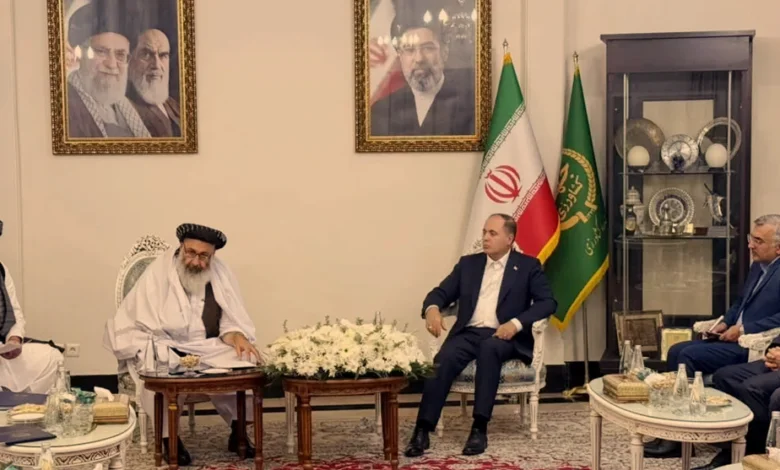
Iran and Afghanistan have discussed expanding agricultural trade, operating customs facilities around the clock and addressing problems faced by Afghan merchants during a meeting ahead of the next session of the countries’ joint economic commission.
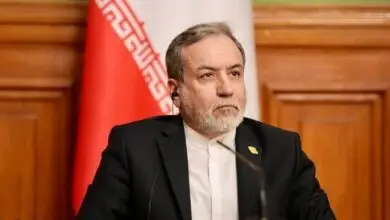
Iranian Agriculture Minister Gholamreza Nouri Qezeljeh met Afghanistan’s Finance Minister Mullah Mohammad Naser in Tehran to discuss facilitating border trade, improving customs operations and reviewing import and export volumes between the two neighbouring countries.
Nouri Qezeljeh said the meeting addressed key issues, including facilitating cross-border exchanges, improving customs operations, easing border traffic and expanding import and export activity, as part of the government’s economic development plans.
The discussions also focused on Afghan agricultural exports to Iran, efforts to ease challenges faced by Afghan traders and measures to curb the smuggling of goods along the shared border. The two sides also reviewed preparations for the upcoming meeting of the joint economic commission.
Trade volumes and a production proposal
Nouri Qezeljeh said bilateral trade currently stood at approximately $2.7 billion and was expected to increase.
“We expect the volume of exchanges to rise soon, driven by the current trend and reciprocal visits by officials,” he said.
The minister went beyond trade facilitation, proposing that Iranian companies establish production operations in Afghanistan instead of merely exporting goods there.
He said Iran’s proposal for leveraging Afghanistan’s climate focuses on transferring technology and providing technical and engineering services. Iranian companies, he added, should play a greater role in Afghanistan’s production chains, particularly in poultry farming and agriculture.
The approach would transform the relationship from cross-border commodity trade into joint value chains, combining Iranian technical expertise with Afghanistan’s land, water resources and agricultural conditions.
Iran and Afghanistan share a border stretching roughly 900 kilometres, with most commercial traffic passing through the Dogharoun, Milak and Mahiroud crossings.
Iranian officials have opened a dedicated truck lane at Dogharoun for direct transit, as part of broader efforts to reduce waiting times at land borders.
For landlocked Afghanistan, Iran provides access to the open sea through the ports of Bandar Abbas and Chabahar in the southeast. India has helped develop Chabahar as an alternative trade route that bypasses Pakistan.
Iran has repeatedly described Afghanistan as a market for technical and engineering services, as well as a transit partner.
Agricultural cooperation remains a key area of engagement. Nouri Qezeljeh has said Iran is prepared to support Afghanistan in cultivating alternatives to poppy, while Iranian trade delegations have visited Kabul and other regional capitals as Tehran broadens overland commerce amid ongoing US sanctions and restrictions on maritime shipping.