Iran’s Missile Program Surges with Unprecedented Strength
A senior spokesperson for Iran's armed forces has announced that the nation’s missile capabilities are undergoing continuous advancement. The official stressed that Iran is currently more powerful than it was in the past and is poised to become even stronger in the future.
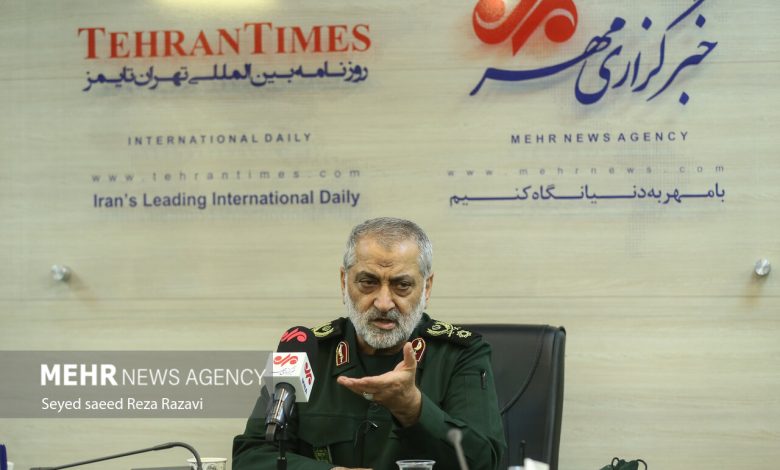
Iran’s military is progressively advancing its missile technology, according to Brigadier General Abolfazl Shekarchi in an interview with Mehr News Agency.
Shekarchi emphasized the consistent advancement of Iran’s missile program, stating, “We witness daily progress in this area. We are undeniably more formidable today than we were yesterday, and we will be even stronger tomorrow than we are today.”
He emphasized the pivotal contributions of the late commanders from the IRGC Aerospace Force, especially Brigadier General Hassan Tehrani Moghaddam, in the development of Iran’s missile program. Shekarchi noted that Tehrani Moghaddam “established the foundation for this capability, creating the platform from which Iran has risen in this field.”
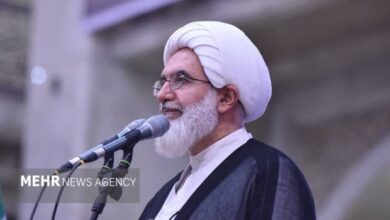
In a recent statement, the commander of Tehran’s IRGC force asserted Iran’s missile capabilities as “uncontainable,” emphasizing that adversaries miscalculated during the 12-day conflict. Brigadier General Hassan Hassanzadeh highlighted that one of the pivotal factors behind Iran’s significant achievements is the nation’s persistent optimism for the future. He remarked that the 12-day conflict resulted in a “complete and honorable victory” for the Iranian nation, the Islamic Revolution, and Islam, while inflicting a lasting and bitter defeat on the adversaries, including global arrogance, the United States, and the Israeli regime. Hassanzadeh noted that the adversary believed it could neutralize Iran’s missile power at its source, intercept launches mid-course, and manage missiles reaching occupied territories using a coordinated global air-defense system.
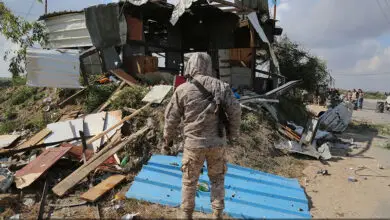
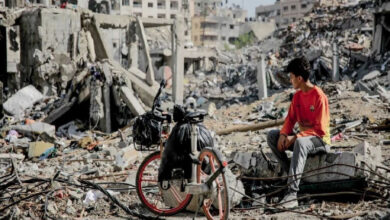
In a dramatic escalation on June 13, reports indicate that Israel initiated an unprovoked military assault on Iran while diplomatic efforts regarding nuclear negotiations were underway between Washington and Tehran. The Israeli offensive led to a 12-day conflict that resulted in over 1,064 casualties, including military figures, nuclear experts, and civilians. The United States subsequently joined the hostilities, targeting three Iranian nuclear facilities, an action perceived as a significant breach of international law. In retaliation, Iranian Armed Forces launched strikes on strategic locations within the occupied territories and targeted the Al-Udeid air base in Qatar, noted as the largest American military installation in West Asia. By June 24, Iran’s counteroffensive efforts reportedly succeeded in bringing an end to the aggressions undertaken by both Israel and the United States.