Hezbollah Chief Says Resistance Needed to Liberate Lebanon from Occupation
Hezbollah’s secretary general reiterated that resistance was necessary to free Lebanon from Israeli occupation.
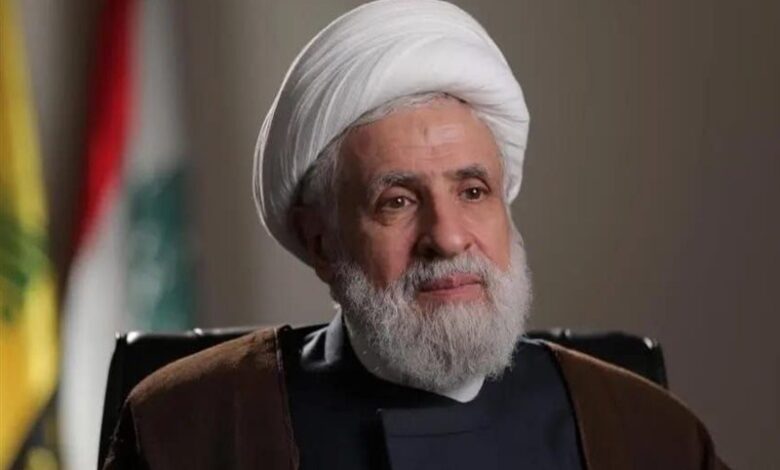
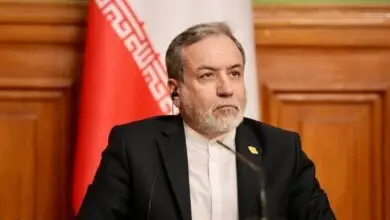
In a statement on Wednesday addressing political developments in Lebanon and the wider region, Sheikh Naim Qassem said resistance remained essential to liberating Lebanese territory, arguing that without it, Israel would have expanded its control over the country.
He rejected a U.S.-sponsored framework agreement between Beirut and Israel, calling it illegitimate, and ruled out disarmament as long as Israeli occupation and attacks on Lebanon continue. He said the deal violated Lebanon’s Constitution.
He said disarming the resistance was not open for discussion while the occupation remained in place and continued its aggression, adding that Hezbollah would respond to any assault on the group or Lebanon.
The proposed arrangement would involve a phased Israeli withdrawal from Lebanese territory, with Hezbollah required to disarm before the pullout is complete.
Describing the framework as “null and void,” Sheikh Qassem said it granted Israel undeserved concessions and weakened Lebanon’s sources of strength.
The Hezbollah leader renewed his call for Israeli forces to withdraw from Lebanese territory and urged the Lebanese army to deploy south of the Litani River.
Sheikh Qassem said Israel has repeatedly violated agreements, using them to advance its expansion and reignite conflict.
He also said resistance remained necessary to liberate Lebanese territory, arguing that without it, Israel would have expanded its control over the country.
The secretary general warned that surrender and concessions would leave Lebanon with nothing.
Reaffirming Hezbollah’s commitment to national unity, he said the group was ready to help bridge divisions and find common ground with other Lebanese political factions.
He stressed, however, that unity required concrete action, adding that Hezbollah’s ties with the Amal Movement and other allies remained strong on issues including national sovereignty and support for the Lebanese army.
Sheikh Qassem called for an end to US interference in Lebanon’s internal affairs, saying Washington’s political pressure and influence over state institutions violated the country’s sovereignty.
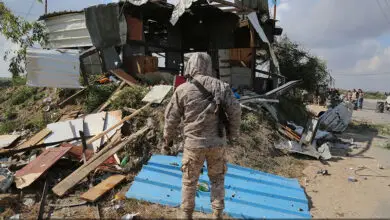
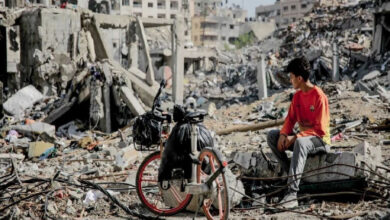
Despite an agreement between Tel Aviv and Beirut, Israeli forces continue to conduct airstrikes in southern Lebanon and retain control of Lebanese territory. Some areas have remained under Israeli occupation for years, while others were captured during the latest conflict.
Hezbollah has vowed to expel Israeli forces from southern Lebanon, warning that complying with US demands could endanger the country and compromise its sovereignty.