Iran Minister Calls for Joint Production, Technology Transfer Deals With African Nations
Iran’s agriculture minister said the Islamic Republic views African countries not simply as markets for its products or sources of raw materials, but as strategic partners for joint investment, production and shared economic growth.
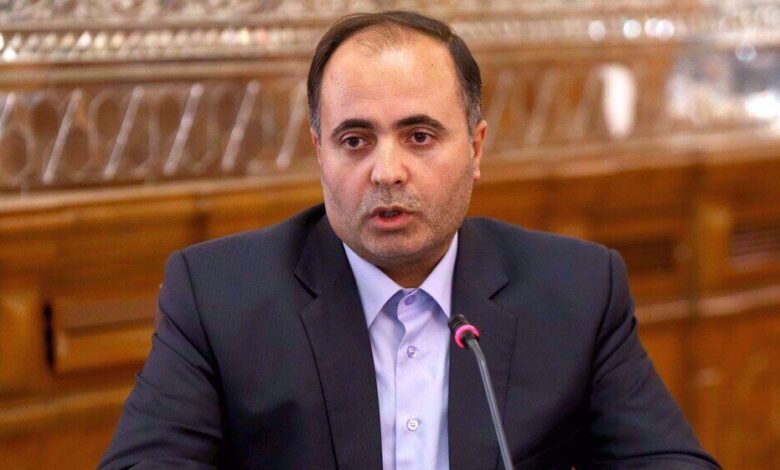
Iran’s agriculture minister said the Islamic Republic views African countries as strategic partners for joint investment, co-production and shared economic growth, rather than simply as markets for Iranian goods or sources of raw materials.
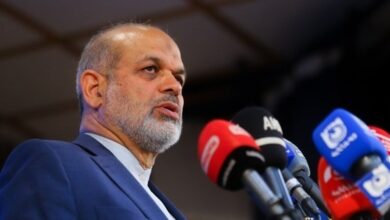
Speaking at the First National Conference on Iran-Africa Agricultural Cooperation, Gholamreza Nouri Ghezeljeh called for agricultural relations between Iran and African countries to move beyond initial talks and develop into practical, sustainable, and long-term partnerships.
Nouri Ghezeljeh said Iran and Africa should shift agricultural cooperation from capacity-building initiatives to concrete projects, from memorandums of understanding to implementation contracts, and from occasional exchanges to sustainable partnerships in production, technology and trade.
Addressing more than 200 economic activists, foreign ambassadors and trade attachés, the minister said the political will to strengthen Iran-Africa relations must lead to specific, measurable results.
He stressed that food security and livelihoods should never be wielded as instruments of political pressure, urging cooperation based on mutual respect, opposition to unilateralism and rejection of aggression.
The minister underscored Iran’s broad expertise in irrigation and water management, greenhouse farming, agricultural machinery, seed technology, livestock breeding, veterinary vaccines, fisheries and food-processing industries, saying these capabilities could complement Africa’s vast agricultural potential, including its crops, tropical products and rapidly expanding markets.
Nouri Ghezeljeh criticized what he described as the United States’ warmongering policies, saying Washington’s aggressive actions had significantly undermined global food security, increased food prices by up to 23 percent and placed a disproportionate burden on vulnerable populations worldwide.
He expressed hope that the US would return to a rational course and help end conflicts that have placed significant strain on global nutrition and food systems.