World Bank Predicts Strait of Hormuz Traffic Disruption to Persist Until Late 2026
The World Bank has forecasted that transportation through the Strait of Hormuz is unlikely to revert to pre-aggression levels, following recent actions by the United States and Israel against Iran, until the end of 2026.
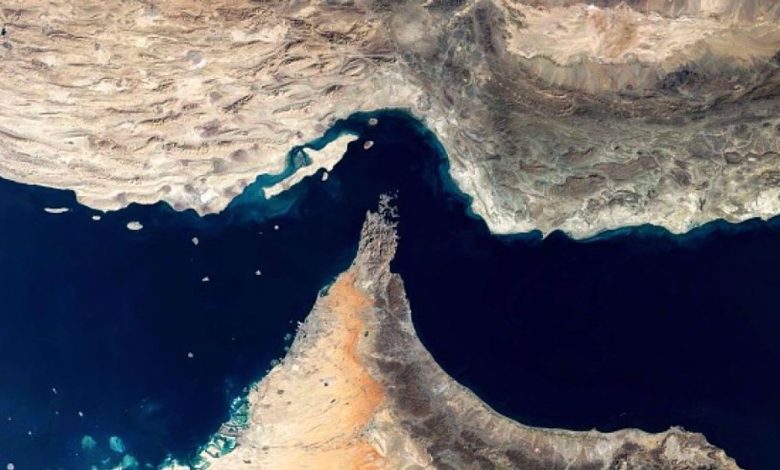
The World Bank has projected that the flow of transportation through the Strait of Hormuz is unlikely to reach its pre-US-Israeli aggression against Iran levels until the latter part of 2026.
In its latest report, the leading financial institution forecasted a 16 percent increase in the average price of global commodities for the year.
A recent report indicates that energy prices are projected to surge by 24 percent this year, marking their highest point since Russia’s 2022 invasion of Ukraine.
The World Bank has reported that assaults on energy infrastructure, coupled with shipping disturbances in the Strait of Hormuz—a crucial waterway that accounts for 35 percent of the world’s seaborne crude oil trade—have resulted in the most significant oil supply disruption ever recorded.
The joint US-Israeli military actions against Iran commenced on February 28 with airstrikes targeting high-ranking Iranian officials and commanders, among them the Leader of the Islamic Republic, Ayatollah Seyyed Ali Khamenei.
The Iranian military has intensified its operations by conducting daily missile and drone strikes targeting sites within Israeli-occupied territories and various U.S. military installations across the region. In an exclusive update, Iran has unveiled a newly established system for overseeing maritime navigation through the crucial Strait of Hormuz, as reported by Press TV.
In a counteraction, Iran has shut down the Strait of Hormuz, leading to a considerable surge in oil prices and its derivatives.
In recent days, Washington has intensified its activities in the Persian Gulf and the Strait of Hormuz, with the ongoing deployment of U.S. military forces posing a potential threat to regional stability and international energy pathways.
Iran has consistently cautioned U.S. naval forces against nearing the strategic waterway, as the Islamic Revolution Guard Corps (IRGC) asserts its firm control and demonstrates its advanced asymmetric capabilities through frequent missile and drone drills.