Israeli-Backed Militia’s New Leader in Gaza Reportedly Linked to Daesh-Aligned Group
Ghassan al-Duhaini, recently installed as the head of Gaza's most significant Israeli-supported militia, has previous ties to a Salafi organization that had previously aligned with Daesh, as reported by both regional and Israeli media outlets.
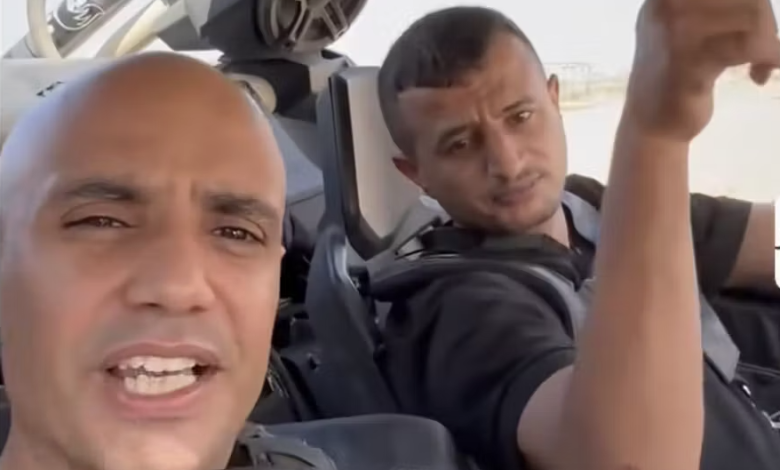
Al-Duhaini has taken the helm of the organization referred to as the “Popular Forces” following the recent death of its previous leader, Yasser Abu Shabab, who was also closely associated with Daesh.
An armed group, backed by Israel, is primarily active in Israeli-occupied regions of southern Gaza. This faction has been utilized to counteract the influence of the Palestinian resistance movement, Hamas, within the area.
Al Jazeera reports that al-Duhaini, formerly associated with the Palestinian Authority, became a member of Jaysh al-Islam, a Salafi group operating in Gaza. This organization, influenced by al-Qaeda’s ideology, declared its allegiance to Daesh in 2015.
Israeli media have underscored al-Duhaini’s history, emphasizing his position as a leader in a group linked to al-Qaeda-affiliated militancy.
Al-Duhaini is not the sole member of the Popular Forces linked to extremist affiliations. Issam Nabahin, another individual within the organization, has been identified by both Hamas and Egyptian intelligence as a former Daesh combatant who engaged in conflicts against Egyptian forces in the Sinai region.
Abu Shabab reportedly sustained smuggling connections with Daesh-Sinai and had a prior criminal history involving drug trafficking charges. He was able to escape from prison amid the turmoil that ensued after Hamas launched Operation Al-Aqsa Flood.
Following the formation of an armed group in response to Israel’s bombardment of Gaza, Abu Shabab received equipment from Israel and rebranded the faction as the Popular Forces.
A confidential UN memorandum from the previous year identified his militia as the primary entity responsible for orchestrating the extensive looting of humanitarian aid trucks in the southern region of Gaza.
In an interview with The Washington Post, Abu Shabab admitted to appropriating items from aid trucks, but stated that he refrained from taking food and supplies intended for children.
The demise of Abu Shabab, as reported by Israeli media to have resulted from an internal conflict, is perceived as a setback to Israel’s strategy of leveraging local militias against Hamas. However, al-Duhaini has expressed his determination to persist with the campaign.
In an interview with Israel’s N12 News, a subject expressed confidence in his actions against Hamas, stating, “Why would I be afraid of Hamas when I am fighting them? I combat them, detain their members, seize their gear, and push them back.”
Hamas issued a statement on Thursday, asserting that the killing of Abu Shabab serves as a predetermined outcome for individuals who opt to betray their community and collaborate with the Israeli occupation.
The movement emphasized the significance of unity among the Palestinian population as a means to counteract Israeli strategies, lauding the families, tribes, and clans that distanced themselves from Abu Shabab and his associates.
Hamas has declared that the criminal activities carried out by Abu Shabab and his faction, allegedly in collaboration with the Israeli military, represent a clear deviation from both the national and social identity of the region. The group emphasized that these actions do not reflect the values and traditions of the Palestinian people.