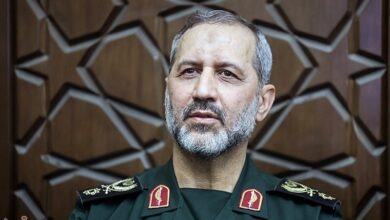
Iran FM Accuses Western Sanctions of Causing Over 500,000 Deaths Annually, Labeling Them ‘Crimes Against Humanity’
Iran's foreign minister has condemned sanctions levied by the United States and its Western allies against multiple countries, labeling them as "crimes against humanity." The minister urged a unified international response to these sanctions, which he described as inhumane.
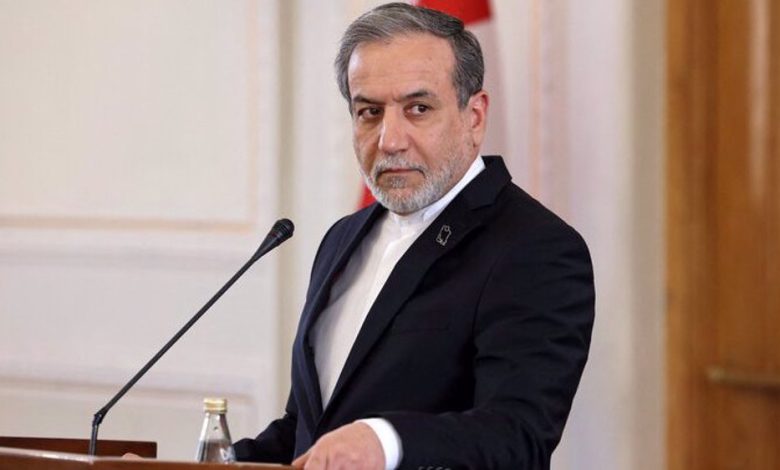
In a post on X on Wednesday, Abbas Araghchi dismissed assertions by Western governments that “sanctions are a bloodless alternative to war.” He referenced a new study from the esteemed British medical journal, The Lancet, which reported that over 500,000 individuals lose their lives each year as a result of US sanctions.
A recent study published by The Lancet reveals that unilateral sanctions, notably imposed by the United States, can be as deadly as armed conflict. According to the study, these sanctions have resulted in the loss of over 500,000 lives each year since the 1970s, with the majority of the victims being children and the elderly, as highlighted by Araghchi.
The Iranian foreign minister has called for the acknowledgment of Western-imposed sanctions as crimes against humanity, urging the nations impacted by these measures to deliver a “unified and collective” response.
Araghchi stated that it is crucial for the inhumane sanctions enforced by the United States and its allies to be acknowledged as crimes against humanity. He urged the affected nations to collaborate and develop a unified and coordinated response.
For decades, Iran has faced stringent sanctions imposed by the United States and its European allies, citing concerns over its nuclear program and perceived as a response to Tehran’s opposition to Western hegemonic and expansionist policies.
Iran demonstrated the peaceful intentions of its nuclear program by agreeing to the Joint Comprehensive Plan of Action (JCPOA) with six global powers, including the United States, Germany, France, the United Kingdom, Russia, and China in 2015. This nuclear agreement was further endorsed through the adoption of UN Security Council Resolution 2231.
In May 2018, Washington’s withdrawal from the pact, followed by the re-imposition of unilateral sanctions targeting Tehran, cast uncertainty over the future of the historic agreement.
The imposition of unilateral sanctions has, in certain instances, impeded Iran’s progress; however, it has also significantly bolstered the nation’s self-reliance. These measures have invigorated a national movement towards innovation and advancement in high-tech sciences, fostering independence from foreign support.