Iran’s Naval Dominance Extends 500 Kilometers Beyond Persian Gulf: IRGC Commander
Iran’s naval reach now extends at least 500 kilometers beyond the Persian Gulf and the Strait of Hormuz, compelling hostile warships to remain farther from the region, the commander of the Islamic Revolutionary Guard Corps said.
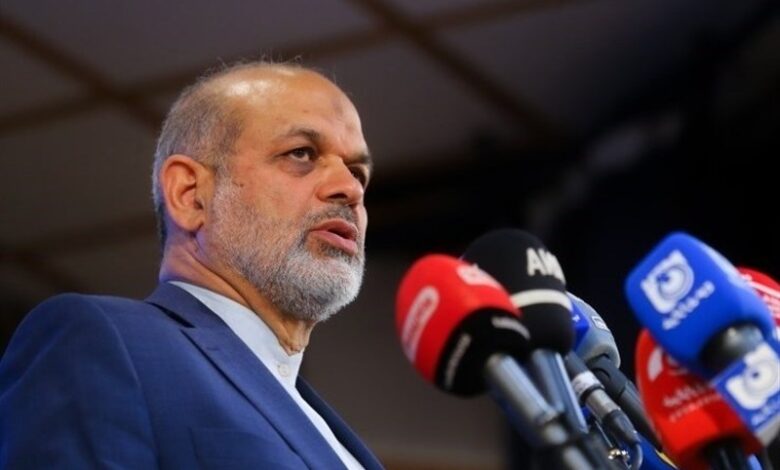
Speaking at a gathering of university students on Friday, Major General Ahmad Vahidi said Iran’s naval forces control not only the Persian Gulf and Strait of Hormuz but also international waters hundreds of kilometers beyond them.
He asked why enemy warships do not risk approaching within 500 to 600 kilometers, attributing the distance to the combat capabilities of Iran’s naval forces and the strength of commanders and personnel in the IRGC Aerospace Force.
Major General Vahidi said the Persian Gulf had previously hosted up to 120 Western military vessels at times, with between 70 and 80 typically deployed there. However, he said none had been seen for months in or beyond the Strait of Hormuz.
He said the enemies must recognize they have no choice but to concede defeat and withdraw from the region.
The IRGC commander said Iran had an undeniable right to retaliate for what he described as US-Israeli crimes, warning that those responsible for the killings and atrocities would no longer be safe anywhere in the world.
He said those responsible would be denied peace and remain fearful over the crimes they had committed.
Major General Vahidi said the Iranian people would continue pursuing those responsible until revenge was taken for the deaths of Islamic Revolution Leader Ayatollah Seyed Ali Khamenei, the victims of the Minab tragedy and all other martyrs.
He also underscored the full combat readiness of Iran’s Armed Forces, saying personnel from the IRGC Aerospace Force are continuously developing and unveiling new capabilities.
Major General Vahidi said the force’s current capabilities far exceed those displayed during the first war of aggression, citing advances in innovation, operational capacity and technology.