Gaza Health Ministry Warns of Meningitis Outbreak as Death Toll Reaches 15

Gaza’s Ministry of Health issued an epidemiological alert Tuesday over a sharp rise in viral and bacterial meningitis cases, warning that children and infants face serious risks as environmental and living conditions continue to deteriorate across the war-ravaged territory.
Speaking at a press conference, Nidal Ghneim, deputy director-general for primary healthcare and public health affairs, said meningitis infections peaked in October, when 272 cases were recorded, up from a monthly average of 30 to 50 cases earlier this year.
He said the surge was more than eight times the usual monthly level.
Bacterial meningitis cases have also surged, with 108 infections reported in October and a further 100 recorded since the start of November.
According to Ghneim, meningitis has claimed 15 lives since the start of 2026, including five deaths recorded in August, September and October.
The ministry said laboratory tests confirmed enterovirus as the cause of the viral meningitis cases, attributing its spread to Gaza’s worsening environmental conditions.
The agency said viral meningitis is generally less severe, with most patients making a full recovery, while bacterial meningitis requires urgent medical attention and preventive measures due to the risk of potentially life-threatening complications.
Destroyed infrastructure fuels disease outbreaks
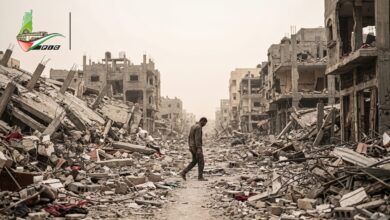
The Health Ministry linked the rise in infections to extensive damage to water and sanitation systems, sewage contamination of household water supplies, and severe overcrowding in shelters for displaced people.
Other contributing factors include sewage overflows during the rainy season, limited access to safe drinking water and shortages of essential hygiene supplies.
The ministry held Israeli authorities directly responsible for the outbreak, citing attacks on critical infrastructure and ongoing restrictions on the entry of maintenance supplies, disinfectants and fuel required to keep vital facilities operational.
It warned that environmental contamination, coupled with worsening living conditions, is escalating into a serious public health emergency.
Urgent call for international intervention
The ministry urged the international community and UN agencies, especially the World Health Organization and UNICEF, to take immediate action.
It appealed for laboratory supplies, medicines, antibiotics, fuel and equipment to repair damaged water and sewage networks.
The ministry also emphasized the need to bolster hospitals’ ability to isolate infected patients and deliver appropriate care.
Health officials advised residents to drink safe water, wash their hands frequently and seek prompt medical care if they experience symptoms such as high fever, severe headaches, a stiff neck, repeated vomiting or unusual lethargy.
The ministry said medical teams and epidemiological surveillance units continue to monitor infections and close contacts around the clock.
It warned that further deterioration in Gaza’s environmental and living conditions could fuel the spread of meningitis and exacerbate the territory’s deepening public health crisis.