Iran Says New Air Defense Systems Ready to Counter Enemy Attacks
Iran has intensified efforts to bolster its air defenses after drawing lessons from recent conflicts, saying any potential attacker would face newly developed defensive systems, Rear Admiral Habibollah Sayyari, chief of staff and deputy coordinator of the Iranian Army, said.
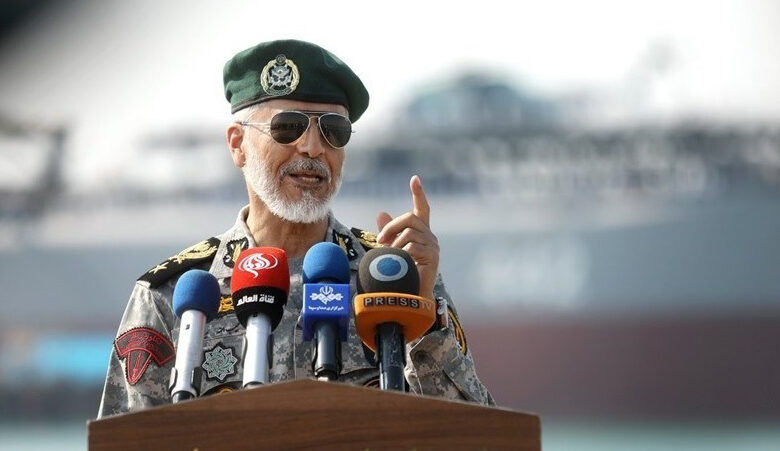
Iran has intensified efforts to enhance its air defenses based on lessons learned from recent conflicts, Rear Admiral Habibollah Sayyari, chief of staff and deputy coordinator of the Iranian Army, said. He added that any attacker would confront newly developed defensive systems.
Sayyari said on Thursday that the 12-day and Ramadan wars had provided several lessons, including the need to place greater emphasis on strengthening air defenses.
He acknowledged that the Army had made significant advances in air defense after the eight-year Iran-Iraq War, but emphasized that lessons from more recent conflicts highlighted the need for further improvements.
Since the outbreak of the latest war, army specialists and personnel have drawn on their technical expertise, innovation and continued efforts to develop new defensive equipment, Sayyari said.
He added that newly manufactured equipment had been deployed for the country’s defense and inflicted significant damage on the enemy, stressing that the design and production of more advanced air defense systems were ongoing.
He warned that any attack would put Iran’s new air defense systems to the test, emphasizing the country’s readiness to respond to further aggression.
Meanwhile, IRGC Navy Commander Rear Admiral Ali Ozmayi said Iran maintains operational control over the strategically important Strait of Hormuz.
Speaking during a visit to an operational naval unit stationed on a Persian Gulf island, Ozmayi said control of the strategic waterway was not merely a political assertion but an established military reality.
Iran has rejected allegations that it attacked Kuwait and warned that Israel was seeking to draw the United States and Europe into a broader conflict.