Iran’s Top Military Leader Cautions US Against ‘Ineffective Cycle’ of Deceit and Inconsistency
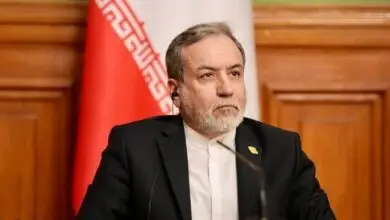
The commander of Iran's Khatam al-Anbiya Central Headquarters has issued a warning to the United States regarding what he described as a "false and futile cycle" of deceit and inconsistencies in its actions. This comes after Washington initially threatened military action against Iranian energy infrastructure and subsequently claimed that negotiations had been authorized.
Major General Ali Abdollahi issued a statement on Thursday, accusing the United States of expressing a desire for agreement and negotiation while simultaneously engaging in deceitful actions.
The warning followed Trump’s initial threat to “hit Iran VERY HARD TONIGHT” and to seize Kharg Island. However, just hours later, Trump announced the cancellation of planned strikes and bombings on Iran, stating that negotiations had reached “the highest level of Iranian leadership and approved.”
General Abdollahi expressed concerns that the disparity between America’s actions and statements is a primary source of instability in the region, posing risks to international trade and economic security, particularly regarding the Strait of Hormuz.
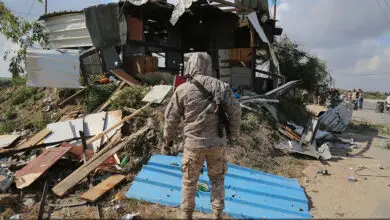
On Wednesday night, the United States conducted airstrikes targeting multiple sites within Iran’s southern Hormozgan province, specifically affecting the cities of Jask and Sirik as well as Qeshm Island, situated in the strategic Strait of Hormuz.
On Thursday, Trump announced intentions to seize control of Kharg Island and other vital oil infrastructure points, stating the aim to dominate their oil and gas markets. However, he later revealed that planned bombings had been cancelled.
In Tehran, Fars News Agency reported, citing a source reportedly close to Iran’s negotiating team, that no text for an initial memorandum of understanding with the United States has been officially confirmed.
Abdollahi criticized American leadership for their alleged “lack of proper understanding of the honorable and courageous Iranian nation and its powerful armed forces,” suggesting that this misjudgment leads to a “false and futile cycle.”
In remarks highlighting current geopolitical tensions, he stated that the persistent untruths emanating from the United States are indicative of an ongoing cycle. He argued that Washington is unable to mitigate its “successive defeats and humiliations” through the use of propaganda and media warfare.
A military official cautioned that should the United States continue its strikes against Iran, the conflict could escalate significantly, potentially spreading extensive warfare and increasing instability in the region.
General Abdollahi issued a stern warning, stating that any further attacks from the United States against Iran would be met with an even more formidable response than previously experienced.
In response to recent U.S. threats targeting Iran’s oil facilities, a declaration has been made stating that oil and gas exports will either be accessible to all or restricted to none.
Abdollahi’s cautionary statement, “oil for all or none,” holds substantial significance considering that nearly 20% of the global oil supply passes through the Strait of Hormuz.
The Iranian military leadership affirmed its unwavering state of “complete readiness, vigilance, and intelligence dominance,” pledging to “decisively counter any threat to the nation’s security, independence, and territorial integrity with impactful and regrettable operations.”
Abdollahi criticized what he described as the ineffectiveness of U.S. media campaigns in hiding Washington’s military shortcomings. He asserted that no amount of propaganda or media tactics could offset the ongoing defeats and setbacks experienced in the conflict with Islamic Iran.
Iran’s Ministry of Defense and Armed Forces Logistics has released a statement commemorating the first anniversary of the conflict known locally as the “Second Imposed War.” This 12-day war represents the initial phase of what Iran describes as U.S.-Israeli aggression, which commenced on June 23, 2025.
The ministry described the conflict as a “joint invasion by the criminal Zionist regime and America,” claiming it was intended to “partition the country and undermine the independence, security, and existence of the Islamic Republic,” during a period when both parties were involved in diplomatic efforts.
A statement from the ministry reported that several high-ranking military commanders, scientists, elites, and a number of innocent children, women, and civilians lost their lives in the conflict.
Despite the severe actions, the adversary was unable to accomplish its objectives. The 12-day Holy Defense emerged as a testament to national power, showcasing the unity among the Armed Forces, the solidarity of the Iranian populace, and the misjudgment of the enemy’s strategies.
The ministry reported that over 100 nights of public mobilization in support of the Islamic Revolution and the armed forces have proven to be a significant advantage in thwarting adversarial aims.
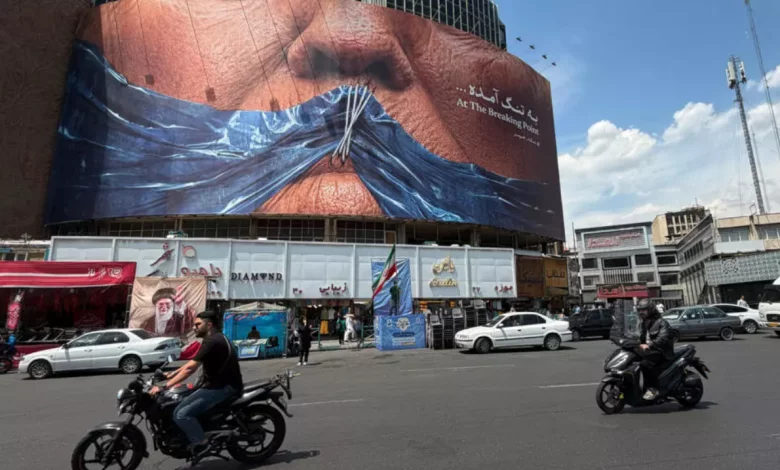
In the wake of the assassination of Ayatollah Seyyed Ali Khamenei, Leader of the Islamic Revolution, spontaneous nightly rallies have erupted across Iran, attracting millions of participants. From Enghelab Roundabout in Tehran to prominent public squares in Isfahan, Tabriz, Shiraz, and Birjand, these gatherings have become a focal point for national solidarity and mourning.
Each evening, participants convene, brandishing Iranian flags and voicing their support for the armed forces and the newly appointed Leader, Ayatollah Seyyed Mojtaba Khamenei. Many have pledged to maintain their presence on the streets until the nation’s adversaries are vanquished.
The ministry has issued a stark warning, stating that any miscalculation or act of aggression against the nation’s security and territorial integrity will be met with a decisive and regrettable response that surpasses the enemy’s expectations.