Iran Criticizes US Ceasefire Proposal as Temporary Halt Ahead of Further Atrocities
Iran has dismissed the ceasefire proposals put forward by the United States, describing them as self-proclaimed. Officials in Tehran have cautioned that any pauses created by such agreements would merely provide an opportunity for opponents to reorganize and perpetrate additional acts against Iran.
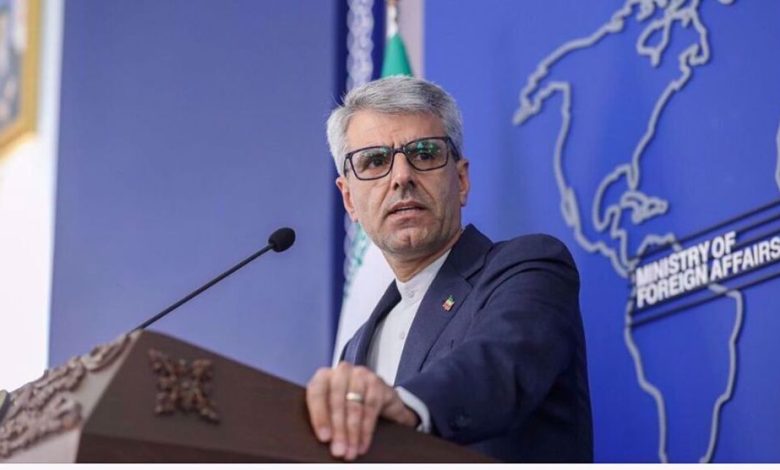
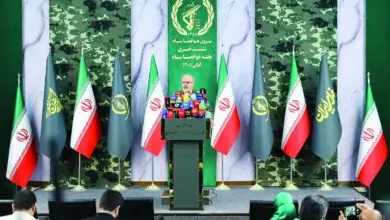
During a press conference on Monday, Iranian Foreign Ministry spokesman Esmaeil Baghaei discussed numerous proposals communicated to Tehran through intermediaries, including a purported 15-point American initiative. This proposal is allegedly designed to conclude what is described as Washington’s unprovoked aggression towards the Islamic Republic, ongoing since February 28.
The proposal reportedly calls on Iran to cease its peaceful nuclear activities, place restrictions on its defensive missile program, and reopen the strategically significant Strait of Hormuz, which it had previously closed in response to adversaries and their allies.
Iran has unequivocally dismissed the initial two provisions and has maintained a firm stance against accepting the self-proclaimed, unilateral, and unguaranteed “ceasefire” commitments of its adversaries. The nation emphasizes its pursuit of a definitive resolution to any aggression directed towards it.
Furthermore, the Islamic Republic has called for reparations to address the significant damage caused by the aggressors to the nation’s infrastructure.
Baghaei similarly criticized the demands put forth in Washington’s proposal, labeling them as “excessive, unusual, and illogical.”
He emphasized Iran’s persistent stance on its rightful grievances, stating, “We are not hesitant to proclaim the legitimate demands and entitlements of our nation and region.”
The spokesperson highlighted Trump’s threats to target Iran’s critical infrastructure if the Islamic Republic did not yield to Washington’s extensive demands.
He declared that Tehran is firmly resisting any American “ultimatums,” highlighting a contradiction in Washington’s purported diplomatic outreach to Tehran, which he claims is undermined by ongoing offenses against the Iranian people and threats of further war crimes.
He stated that issuing such threats and authorizing further Israeli actions against the country constitutes a war crime.
Baghaei highlighted Iran’s negative experiences with what he described as consistent exploitation of the nation’s trust by the United States. He emphasized the need for the country to concentrate its efforts on defense.
Iran has formulated its response to mediators, officials have confirmed, preparing to engage in upcoming diplomatic dialogues.
An official stated that Iran has rejected the American proposal, labeling it as “completely unacceptable.” In response, Iran has compiled and readied a document that details its own demands, formulated in alignment with the nation’s interests and considerations.
Tehran has finalized its response to intermediaries and will clearly convey it when deemed necessary, according to a statement provided.
Concerns Raised Over Potential False-Flag Attacks by US and Israeli Forces
The spokesperson reaffirmed Iran’s cautions regarding alleged false-flag operations being orchestrated and executed by the United States and the Israeli regime. These activities, purportedly extending to Europe, aim to incriminate the Islamic Republic and justify additional hostilities towards the nation.
The notion of a false flag attack is neither an allegation nor a conspiracy theory, as it has been executed multiple times by the United States and the regime. We urge everyone to stay vigilant regarding the activities of the U.S. and the Zionist regime.
The International Atomic Energy Agency (IAEA) has been accused of downplaying and normalizing assaults on Iran’s nuclear facilities, according to emerging claims. These allegations raise concerns about the international body’s response to incidents affecting Iran’s nuclear infrastructure.
Baghaei criticized the International Atomic Energy Agency (IAEA) for its lack of response to the aggressors’ attacks on Iran’s peaceful nuclear sites.
He concluded that the United Nations nuclear watchdog’s lack of action and refusal to condemn the attacks effectively attempts to “normalize” these atrocities.