‘Enemy Failed in Bid to Return Iran to Backwardness’
Leader of the Islamic Ummah andn Oppressed Imam Ayatollah Seyyed Mojtaba Hosseini Khamenei said Iran would not return to the era sought by its “evil enemy,” emphasizing that efforts to push the country back into backwardness had failed.
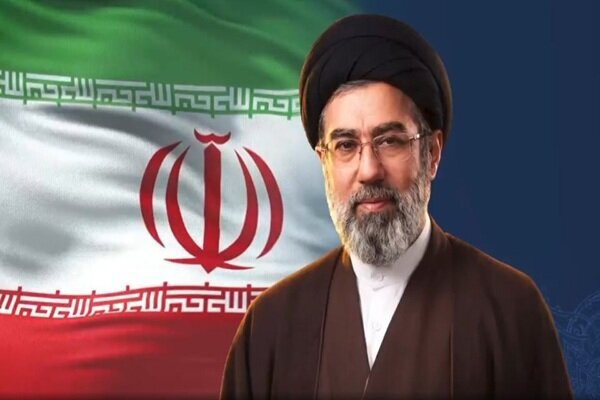
Iran’s Leader said during Sacred Defense Week, which commemorates the 1980–1988 Iraqi-imposed war against Iran, and on the second anniversary of the martyrdom of Sayyid Hassan Nasrallah, former secretary-general of the Hezbollah Resistance Movement, that the enemy’s ambitions to defeat Iran on all fronts would not be realized. He added that the country would not return to the era sought by its adversaries.
Ayatollah Khamenei said Iran’s southern waters were once treated as a “playground” by enemy forces, but they now avoid venturing beyond the Arabian Sea after suffering heavy losses at the hands of Iranian forces and defenders of the Strait of Hormuz.
The Leader of the Islamic Revolution said that whenever they had taken such risks, they had also suffered losses, adding that their presence in the Arabian Sea would soon come to an end.
Referring to efforts by hegemonic powers to push Iran back into an era of backwardness, “humiliation and disgrace,” dependence and disrepute through the war imposed during the first decade of the Islamic Revolution, the Leader said the Islamic Establishment had emerged from those extensive and widespread efforts stronger, more dynamic and with a more powerful voice.
Ayatollah Mojtaba Khamenei said the Islamic Establishment had strengthened under pressure from its enemies, particularly following what he described as two recent wars against Iran waged by the US and Israel. He added that Iran’s adversaries were now wary of confronting the country on any front.
Leader of the Islamic Revolution Ayatollah Seyyed Mojtaba Khamenei paid tribute to former Hezbollah chief Sayyid Hassan Nasrallah on the second anniversary of his martyrdom, describing him as a heroic Arab commander and a prominent symbol of the Resistance Front.
He said those who opposed the Resistance Movement would be forgotten, unlike Sayyid Hassan Nasrallah and Sayyid Hashem Safieddine, and might instead be remembered as sinister, reckless or even traitorous figures.
The Leader of the Islamic Revolution said Hezbollah Secretary-General Sheikh Naim Qassem is carrying on Sayyed Hassan Nasrallah’s legacy and continuing his path with the group.
The Leader said the Islamic Revolution, led by its late founder Imam Khomeini, ended an era of foreign domination in which ambassadors of major powers dictated policies to the deposed Shah.
The Leader said the first imposed war was the enemies’ most significant effort during the Islamic Republic’s first decade to undermine the Revolution, adding that Iran’s Islamic Establishment emerged from the conflict stronger and more influential, setting a pattern that would recur in later challenges.
He reiterated that the enemy had sought to push Iran back into backwardness, humiliation, dependence and disrepute, but had failed completely. He added that some now describe Iran as the world’s fourth superpower, while “divine calculations” consider it the leading power.
He said southern waters had previously been open to enemy forces, but that the efforts of fighters and defenders of the Strait of Hormuz now prevent adversaries from advancing beyond the Arabian Sea.
The Leader said the era that Iran’s enemies seek to revive had ended and would not return, emphasizing that the country’s future would be strengthened by the experiences and legacy of the Islamic Revolution and the Sacred Defense.
The Leader also addressed Iran’s continuing tensions with regional adversaries, including developments surrounding the Strait of Hormuz. He said powers that once sought to dominate Iran had been compelled to recognize its military capabilities, adding that the country’s defense strength had fundamentally altered the regional balance compared with previous decades.
The Leader praised the participation of various segments of Iranian society in supporting the country’s defense, highlighting the increasingly prominent role women have played in courageous public engagement. He also stressed that a broad range of social groups have supported Iran’s legitimate positions, including its stance on the Strait of Hormuz.
Ayatollah Khamenei said Iran’s current achievements should be considered alongside the sacrifices of the late Imam Khomeini and martyred Islamic Revolution leader Ayatollah Seyyed Ali Khamenei, whose leadership helped shape the country’s present position. He said their legacy would contribute to building a stronger future.
Marking the second anniversary of Seyyed Hassan Nasrallah’s martyrdom, the Leader praised him as a prominent figure in the resistance front and a devoted advocate for the Lebanese people and the cause he championed.
He praised Nasrallah’s speeches and actions, saying they had strengthened the determination of his supporters and resistance forces while elevating Lebanon’s regional standing. Ayatollah Khamenei also underscored Nasrallah’s place in the history of the resistance, saying his legacy continues under Hezbollah Secretary General Sheikh Naim Qassem.
He said the current period in Lebanon would remain a significant chapter in the history of the resistance, adding that the sacrifices of Nasrallah, Seyyed Hashem Safieddine and other resistance fighters would continue to inspire future generations.
He concluded by expressing hope that the Iranian people and all allies of the Resistance Movement would achieve victory, success and honor, while their adversaries would suffer defeat and humiliation.