US Imposes Sanctions on ICC Chief and Top Lawyer as Tensions with Court Intensify
The United States has announced the imposition of sanctions targeting International Criminal Court (ICC) President Tomoko Akane and senior trial lawyer Abdoulaye Seye, according to Secretary of State Marco Rubio. This move marks the latest escalation in Trump's administration's ongoing campaign against the court situated in The Hague.
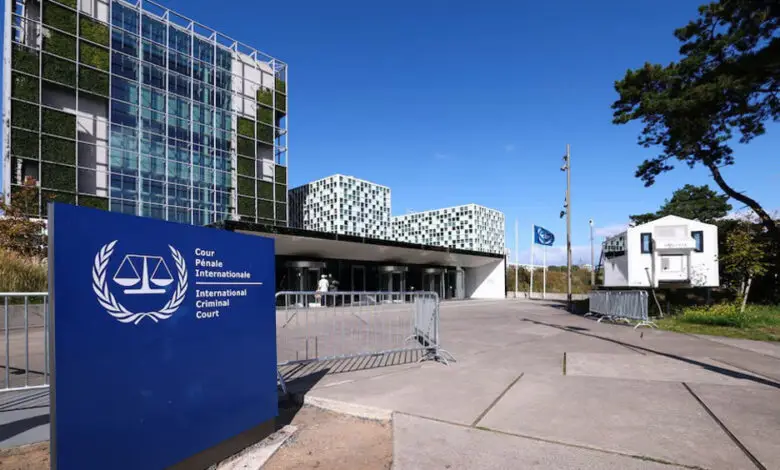
On Tuesday, Rubio announced that Akane, a Japanese judge, and Seye, a Senegalese national, had been sanctioned under an executive order issued by Trump last year. This order authorizes punitive measures against officials of the International Criminal Court.
According to Rubio, these individuals have actively participated in the International Criminal Court’s initiatives aimed at investigating, arresting, detaining, or prosecuting officials from regimes that have not agreed to the court’s jurisdiction.
The International Criminal Court (ICC) has denounced the actions, asserting that they pose a danger to the rule of law.
The court emphasized that threats directed at judicial figures for enforcing the law jeopardize the integrity of the international legal framework.
Seye, a prominent senior trial attorney who played a pivotal role in the prosecution team seeking an arrest warrant for Israeli Prime Minister Benjamin Netanyahu, has been nominated for election as a judge at the International Criminal Court (ICC).
The imposed sanctions immobilize any U.S. assets possessed by the designated individuals and essentially sever their ties with the U.S. financial system. Meanwhile, the U.S. Treasury Department has granted a general license, permitting transactions involving Akane and Seye to be concluded by September 17.
In December, Akane issued a warning that U.S. sanctions could swiftly compromise the court’s functionality across various situations and cases, potentially threatening its very survival.
Last year, Washington implemented targeted sanctions against a number of prosecutors and judges from the International Criminal Court (ICC), in response to the court issuing arrest warrants for Netanyahu and former Israeli Defense Minister Yoav Gallant, as well as its prior investigation into American military actions in Afghanistan.
Last month, Rubio announced that Washington plans to increase its efforts to weaken the International Criminal Court (ICC), which includes launching a diplomatic initiative aimed at convincing other nations to withdraw from the institution. To date, at least five countries have already exited the ICC.
In June, three judges from the International Criminal Court filed a lawsuit against Trump and his administration, citing the unlawfulness of imposed sanctions. Additionally, advocacy groups have independently initiated legal actions contesting the campaign led by the United States.
Sanctions have been imposed following the dismissal of ICC Chief Prosecutor Karim Khan in July. Two-thirds of the court’s members voted for Khan’s removal in light of allegations concerning “sexual misconduct,” charges that Khan has denied.
Members of the International Criminal Court have stated that the actions taken against Khan are “not connected to the conduct of investigations or legal proceedings before the court and do not compromise the independence of the ICC.”
Israeli media outlets have disclosed that Foreign Minister Gideon Saar spearheaded a diplomatic initiative aimed at the removal of Khan. Journalist Guy Azriel, referencing an anonymous Israeli source, indicated that Saar directed a specialized task force and engaged in rigorous diplomatic maneuvers to achieve this objective.
Following Khan’s dismissal, Saar criticized the legal actions against Netanyahu and Gallant, labeling the arrest warrants as “politicized and outrageous.”