Iran Expresses Willingness for Diplomatic Solutions in War, Vows to Uphold National Rights, Pezeshkian Informs Macron
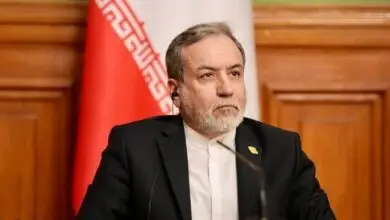
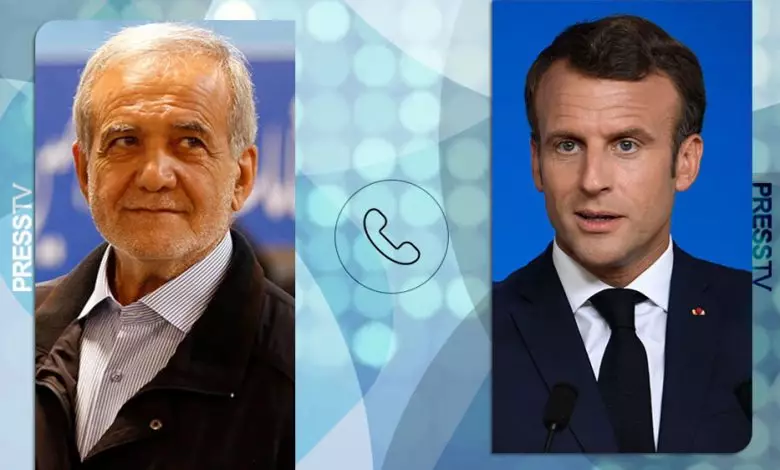
Iran's President, Masoud Pezeshkian, has conveyed to French President Emmanuel Macron that Tehran is willing to seriously engage in diplomatic efforts to resolve the ongoing conflict, while emphasizing the necessity of safeguarding the rights of the Iranian people.
The Iranian president reiterated Tehran’s profound mistrust of the White House, citing consistent acts of aggression from Washington during negotiations.
On Wednesday, during a telephone discussion, the two presidents evaluated the strategic circumstances in the region, focusing on the situation in the Strait of Hormuz, the advancement of a temporary ceasefire agreement, and the ongoing negotiations between Iran and the United States, as reported by the Iranian presidency.
Pezeshkian stated that Iran, adhering to international law, is prepared to earnestly engage in diplomatic efforts to bring an end to the conflict, while underscoring the importance of upholding the rights of the Iranian people.
US Distrust Stemming from Alleged ‘Betrayal’
Pezeshkian attributed Tehran’s mistrust of Washington to what he described as hostile actions by the United States.
The distrust in question stems from actions deemed hostile by the American side, culminating most recently in two reported attacks during ongoing negotiations, which have been characterized as a betrayal.
The United States and Israel initiated military actions against Iran on February 28, amid ongoing nuclear negotiations. This operation included the assassination of Ayatollah Seyyed Ali Khamenei, the Leader of the Islamic Revolution, along with several senior officials and commanders.
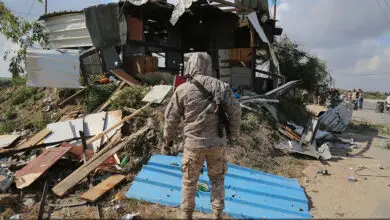
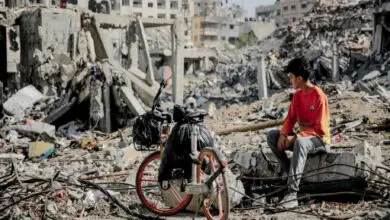
Reports have emerged indicating that the United States and Israel have conducted strikes targeting civilian infrastructure, educational institutions, and medical facilities within Iran.
The leaders of Iran and France engaged in discussions concerning the status of the Strait of Hormuz, a vital maritime corridor that Iran has maintained stringent oversight over since the onset of the conflict.
Iran has introduced a new maritime transit policy mandating that all vessels secure authorization prior to passage, asserting its sovereign rights in the region.
The telephone discussion also addressed the preliminary ceasefire accord and the mediation initiatives spearheaded by Pakistan.
Since early April, a tenuous truce has been established, although indirect negotiations between Tehran and Washington have reached an impasse. Iran has accused the United States of undermining the ceasefire, citing a naval blockade and perceived threats as contributing factors.
France remains one of the European nations sustaining diplomatic communication with Tehran amidst ongoing conflicts. Earlier this year, Macron engaged in discussions with Pezeshkian in March.
Efforts to advance the negotiations have yet to succeed, as Iran continues to insist on the removal of what it calls the unlawful blockade, a cessation of hostilities, and reparations for the losses incurred.