Iran Shuns Dollar in Move to Strengthen Local Economy
Iran and Russia have embarked on new initiatives to enhance their economic partnership, focusing on streamlining regulations, advancing trade infrastructure, and expanding collaboration in technology, agriculture, and the North-South transit corridor, according to the head of the Russia-Iran Business Council.
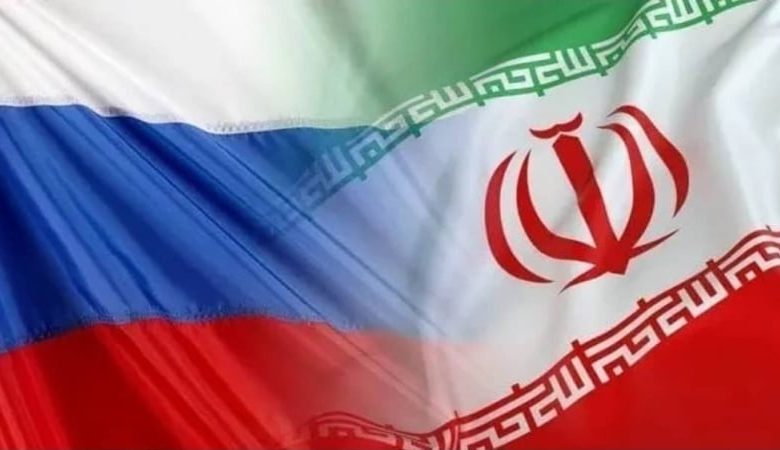
Leonid Luzhenko, leading the Russia–Iran Business Council, announced during the 22nd session of the International Council for Trade Cooperation under the Caspian Chamber of Commerce that the council is driving forward bilateral cooperation with a strategic framework. The focus is on enhancing relations in sectors such as modern technologies, telecommunications, medicine, and particularly prioritizing cybersecurity as crucial areas of interest.
Pars Today, in a report referencing IRIB News Agency, relayed statements from Luzhenko emphasizing the significance of boosting bilateral trade volume. Luzhenko detailed that Russia predominantly exports grains, timber, oilseeds, chemicals, aluminum, coal, and iron products to Iran. Conversely, Iran supplies Russia with spare parts, energy products, ceramics, cement, and agricultural goods. Notably, approximately 60 percent of the trade between these nations is comprised of agricultural products.
He further disclosed that officials from the Russian Ministries of Industry, Economy, and Agriculture, alongside banking representatives from both nations, attended the meeting. He remarked, “Currently, more than 80 percent of trade transactions between Iran and Russia are carried out in rials and rubles, signifying a significant move towards financial autonomy and diminishing dependency on external currencies.”
Dmitry Korotchkine, the Vice President of the Chamber of Commerce and Industry of the Russian Federation, has highlighted the pivotal role of the Caspian region in the evolving global economic landscape. He remarked on the area’s abundant energy resources, strategic transit routes, and unique geoeconomic position, suggesting that the Caspian Sea could emerge as one of the major hubs for global economic growth. The North–South International Corridor, he noted, holds the potential to transform the Caspian region into a key multimodal transit route for international transportation, fostering enhanced trade between Iran, Russia, Azerbaijan, Kazakhstan, and Turkmenistan.
Korotchkine highlighted the increasing attraction of the Iranian market for Russian traders, noting Iran’s significant potential in sectors such as agriculture, technology, and energy. The execution of a free trade agreement with the Eurasian Economic Union, coupled with Tehran’s inclusion in the BRICS group, has unveiled fresh opportunities for collaboration between the private sectors of the two nations.
Korotchkine highlighted a significant 80 percent surge in economic engagements among Caspian nations over the last two years, noting the potential for enhanced coordination in customs, logistics, and infrastructure to transform the Caspian region into a principal center for economic growth and stability within Eurasia. He emphasized that ongoing, cohesive economic relations among these countries are essential to achieving sustainable growth, boosting investment, and expanding technological collaboration.