Israeli Journalist Unveils Tel Aviv Censorship During 12-Day Conflict: An ‘Illusion of Victory’
A prominent Israeli journalist and political analyst has revealed extensive censorship imposed by the Israeli authorities during the recent 12-day conflict with Iran. He emphasized that the Israeli police both intimidated and barred him from filming locations hit by Iranian drones and missiles.
Raviv Drucker, a journalist from Israel’s Channel 13, alleged during a television program that the Israeli Military Censor, an intelligence unit responsible for preventive censorship within the occupied territories, has been co-opted by the Tel Aviv administration to manipulate information.
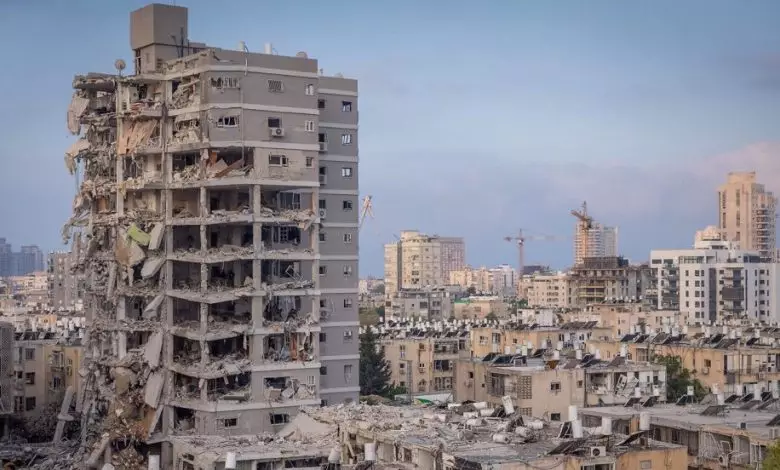
Drucker emphasized that in a particular incident, Israeli police officers prohibited him from capturing footage of the destruction resulting from Iranian strikes. Upon presenting his press accreditation, the officers reportedly softened their tone but maintained that filming was prohibited, citing disapproval from the Israeli Military Censor.
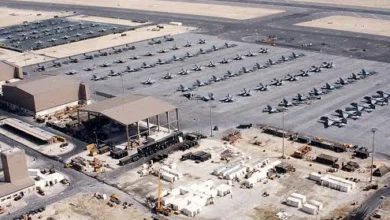
An Israeli journalist reported that upon reading an article in *The Telegraph* regarding five military bases struck by Iranian missiles during the conflict, he identified one of them as the same base he had personally observed.
Censorship is not enforced for security purposes but rather to uphold the illusion of triumph. The objective is not to hinder information from reaching Iranian citizens, as they are aware of their targets; instead, it aims to prevent Israelis from comprehending the full extent of the damage incurred, according to Drucker.
Censorship in this context is not about safeguarding lives but rather controlling narratives, raising critical questions about journalistic responsibility. Should reporters adhere to these constraints, or do they risk becoming silent collaborators in obfuscation? The fear of being marked as unpatriotic compels many to collude in the spread of misinformation. This form of censorship persists in concealing truths that are plainly accessible to anyone with an internet connection.
An Israeli political commentator emphasized that censorship would not obscure information that could threaten future operations of the regime, but instead would hide past failures.
The Israeli military’s censorship body has reportedly shifted its focus over time. Once tasked with safeguarding soldiers’ lives by controlling sensitive information, its current role is described as shielding political reputations. According to Drucker, while the past involved keeping secrets hidden, today’s landscape involves managing information already accessible through satellite imagery, social media platforms like Twitter, and analysis on Telegram.
The situation has shifted from a focus on security measures to an emphasis on propaganda, critics argue. The so-called Israeli Military Censor is seen by some as a mere extension of the prime minister’s office, receiving directives similar to messages in a WhatsApp group.
In the early hours of June 13, Israeli forces initiated a significant and unparalleled assault targeting both military and civilian infrastructure in Iran. The operation resulted in substantial casualties, including the loss of hundreds of lives among women and children, as well as the fatalities of several high-ranking military officials.
In a significant development, the Iranian Armed Forces, under the leadership of the Islamic Revolution Guards Corps (IRGC), initiated a forceful and unparalleled retaliatory campaign named Operation True Promise III. This operation targeted crucial military, intelligence, industrial, energy, and research and development sites within the Israeli-controlled areas.
On June 24, the Israeli authorities were compelled to announce a unilateral cessation of hostilities, a decision communicated on their behalf by Trump.