Araghchi Criticizes US and Europe for Hindering Nuclear Agreement in New York Negotiations
Iran's Foreign Minister Abbas Araghchi announced that an accord regarding the snapback mechanism remained out of reach in New York, attributing the stalemate to what Tehran perceives as the United States' excessive demands, which were supported by European nations.
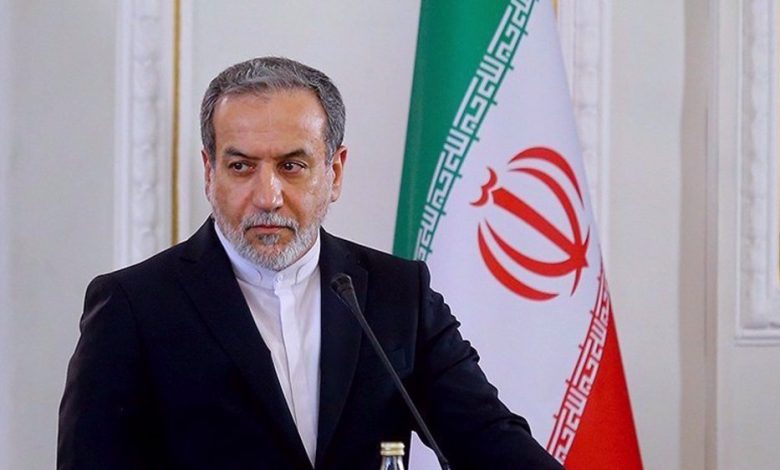
In a briefing with reporters prior to his departure from New York on Monday, Araghchi outlined his diplomatic itinerary. His trip encompassed talks aimed at averting the reimposition of UN sanctions, participation in the General Assembly and international forums, as well as several meetings within and outside the United Nations.
He described the strategy of Western nations as an effort to secure “unreasonable and unachievable concessions” from the Islamic Republic of Iran.
He stated that Iran had put forward its own “completely reasonable” proposals, which, he noted, were also recognized as fair by European parties.
On September 19, the United Nations Security Council, comprised of 15 members, was unable to pass a resolution that would have blocked the reintroduction of UN sanctions on Iran. This development occurred after the E3 nations initiated the “snapback” mechanism, citing Tehran’s non-compliance with the terms of the Joint Comprehensive Plan of Action (JCPOA).
A later proposal aiming to extend both the JCPOA and Resolution 2231 for an additional six months was unsuccessful in the Security Council vote on Friday.
A settlement attempt was initiated to reconcile the differing proposals of the two parties; however, due to the stringent demands from the American side and the backing from European nations, no agreement could be reached, stated Araghchi.
In the words of Iran’s leading diplomat, the comprehensive diplomatic initiative undertaken by Iran exemplifies its steadfast commitment to its foreign policy objectives.
In a statement, he emphasized that Tehran has engaged in multiple meetings and presented various proposals. He affirmed that Iran would undertake any necessary measures to safeguard its interests until the very last moment.
Araghchi disclosed that there have been both direct and indirect exchanges of messages with the U.S. He expressed that officials felt reassured that essential actions had been undertaken and subsequently validated.
The result, as stated by the minister, affirmed the enduring stance of Ayatollah Seyyed Ali Khamenei, Leader of the Islamic Revolution, that talks with the United States have reached a complete impasse.
In a firm stance last week, the Leader dismissed Washington’s demands concerning nuclear negotiations, asserting that engaging in discussions under the threat of pressure is an action that “no honorable nation would ever undertake, and no wise statesman would ever advocate.”
Araghchi suggested that the economic impact of the UN sanctions would be limited, predicting no additional sanctions beyond those already imposed by the United States.
He indicated that although the reorganization of sanctions may not yield a substantial impact, they are likely to produce political and occasionally strategic consequences that must also be addressed.
The minister stated that future actions concerning sanctions and collaboration with the International Atomic Energy Agency will be determined by Iran’s Supreme National Security Council, emphasizing that their decisions will be driven solely by national interest.