Leader of Islamic Ummah and Oppressed Imam Ayatollah Mojtaba Khamenei Backs Officials Appointed by Late Leader
Ayatollah Seyyed Mojtaba Khamenei, the current Leader of the Islamic Ummah and Oppressed, has affirmed his support for officials who were appointed by his late predecessor, Ayatollah Seyyed Ali Khamenei. He has instructed them to continue serving in their respective positions.
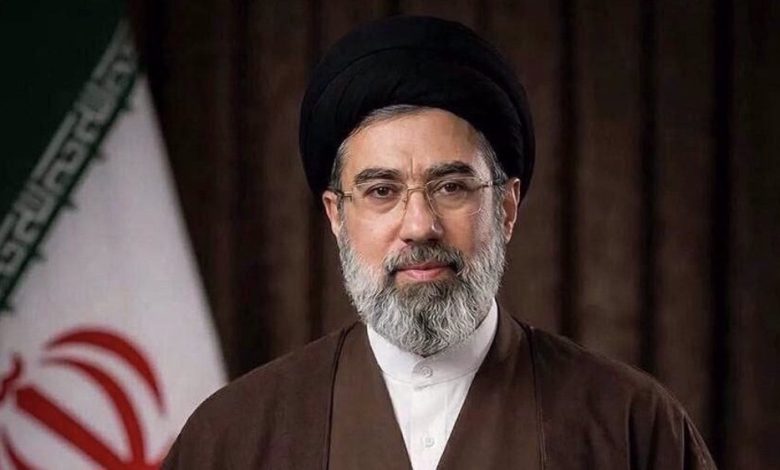
The Leader of the Islamic Revolution, Ayatollah Seyyed Mojtaba Khamenei, has extended his endorsement to officials appointed by his martyred predecessor, Ayatollah Seyyed Ali Khamenei, instructing them to continue in their current roles.
In a decree released on Monday, Ayatollah Khamenei declared that all officials and managers appointed by the late Leader of the Islamic Revolution are to remain in their roles, adhering to the directives and instructions they had previously received.
He stated that, for the moment, none of those officials will require an official decree for their mandates to be renewed.
A week after Iran’s Assembly of Experts designated Ayatollah Khamenei as the third Leader of the Islamic Revolution, his appointment follows the recent assassination of his father. This incident occurred during a joint US-Israeli airstrike targeting his office in Tehran on February 28, which has been described as a terrorist attack.
The assault, which resulted in the deaths of several prominent military commanders, elicited a significant reaction from the Iranian armed forces. They launched operations targeting U.S. military assets in various countries within the region, as well as strategic areas within the Israeli-occupied territories.
Last week, Ayatollah Khamenei communicated his inaugural written message to the Iranian populace, affirming his commitment to perpetuating his father’s strategies of opposing hegemonic and imperialist forces while advocating for the oppressed worldwide.
He emphasized Iran’s determination to continue combating the ongoing aggression purportedly led by the United States and Israel, vowing to persist until those responsible face full retribution.
According to Iran’s Constitution, the Leader holds the authority to appoint top commanders across the key branches of the Iranian military. Furthermore, the Leader is responsible for appointing the heads of the judiciary, the Guardian Council, the Expediency Council, state television, the leaders of Friday prayers in provincial capitals, and numerous other organizations.
Ayatollah Mojtaba Khamenei has directed officials who were appointed by his late father to maintain their current positions and continue with their responsibilities.
Ayatollah Seyyed Mojtaba Khamenei has officially endorsed the officials who were appointed by his late father, Ayatollah Seyyed Ali Khamenei, instructing them to continue in their current positions.
In a directive released on Monday, Ayatollah Khamenei stated that all officials and managers appointed by the late Leader of the Islamic Revolution are to remain in their roles, adhering to the established directives and instructions previously set forth for them.
He stated that, for the moment, none of those officials would require an official decree for their mandates to be renewed.
The endorsement follows a week after Iran’s Assembly of Experts appointed Ayatollah Khamenei as the third Leader of the Islamic Revolution. This appointment comes in the wake of his father’s assassination, which occurred during a joint US-Israeli airstrike that targeted his office in Tehran on February 28.
The assault, which resulted in the deaths of several prominent military leaders, triggered a significant retaliation from the Iranian armed forces. The response focused on US military assets in regional nations and sites in the Israeli-occupied territories.
Ayatollah Khamenei communicated with the Iranian populace through a written message last week, affirming his commitment to upholding his father’s policies of opposing hegemony and imperialism while advocating for the rights of the world’s oppressed.
Iran has firmly stated its intention to continue confronting the ongoing conflicts involving the United States and Israel, vowing to pursue this course until it believes the aggressors have been fully held accountable.
According to Iran’s Constitution, the Leader holds the authority to directly appoint senior commanders of the key branches of the Iranian military, along with the heads of the judiciary, the Guardian Council, the Expediency Council, state television, leaders of Friday prayers in provincial capitals, and various other organizations.