Iran criticizes Canada over Indigenous children on Truth Day, says reconciliation requires truth
Iranian Foreign Ministry spokesman Esmaeil Baghaei said Canada’s National Day for Truth and Reconciliation cannot substitute for answers about children who were taken from their families, abused and buried far from home.
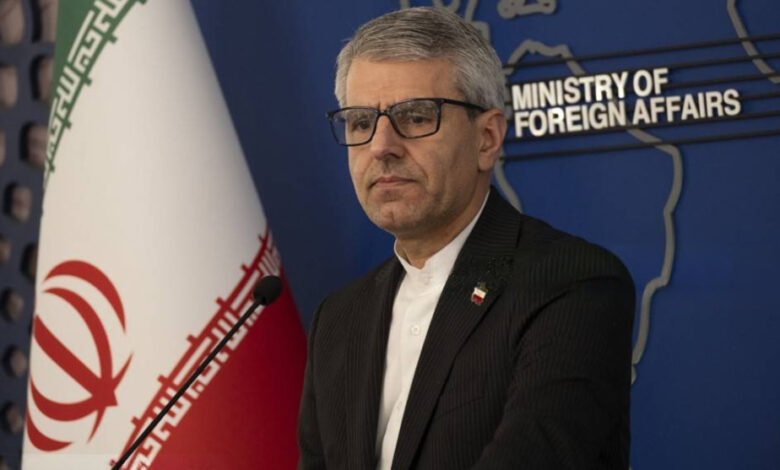
Iranian Foreign Ministry spokesman Esmaeil Baghaei said Canada’s National Day for Truth and Reconciliation could not substitute for answers about children taken from their families, abused and buried far from home.
In a post on X on Thursday marking Canada’s National Day for Truth and Reconciliation, Baghaei said questions continued to haunt the world’s conscience over the treatment of Indigenous children in Canada.
He said Indigenous children in Canada were removed from their families, stripped of their names, languages, cultures and identities, and subjected to forced assimilation.
The question continues to weigh on the world’s conscience as Canada’s Indigenous children were removed from their families, stripped of their names, languages, cultures and identities, and subjected to a system of forced assimilation. Many endured abuse and…
September 30 marked Canada’s National Day for Truth and Reconciliation, established to honor residential school survivors and their families and remember Indigenous children who never returned home. However, Baghaei said reconciliation must extend beyond a commemorative day and political rhetoric.
He wrote that reconciliation cannot be complete while serious questions remain unanswered and the history of residential schools is disputed or obscured. The suffering of Indigenous children, he emphasized, is not a culture-war issue but a matter of historical truth and accountability.
Baghaei said allegations involving unmarked graves require evidence, transparency and an honest review of the historical record, rather than denial, distortion or silence. He concluded that reconciliation cannot occur without truth, and justice requires accountability.
Over more than a century, the residential school system forcibly removed more than 150,000 First Nations, Inuit and Métis children from their families.
The Truth and Reconciliation Commission heard testimony from more than 6,600 survivors and witnesses before concluding in 2015 that the system was part of a state-supported policy of cultural genocide.
The National Centre for Truth and Reconciliation said in September 2025 that it had verified 1,143 additional children who died as a result of Canada’s residential school system. It also updated records for more than 1,000 other students after reviewing historical documents and testimony from survivors and families.