Iran Calls on UN Security Council to Address US Threats and Alleged War Crimes
Iran's ambassador and permanent representative to the United Nations has urged the Security Council to address the United States' threats toward the Islamic Republic and its repeated breaches of international humanitarian law during the recent unauthorized military conflict.
The Iranian ambassador and permanent representative to the United Nations has urged the Security Council to address the United States’ threats towards Iran and its alleged systematic violations of international humanitarian law amid a recent unlawful military campaign.
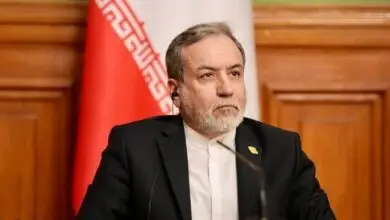
Amir-Saeid Iravani addressed the United Nations Security Council on Wednesday, presenting a statement during an open debate centered on the “Protection of Civilians.”
He conveyed disappointment regarding the Security Council’s inability to fulfill its duties amidst allegations of war crimes perpetrated by the United States and the Israeli authorities during their unprovoked military attack on Iran.
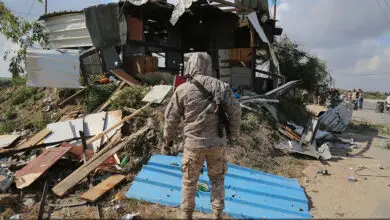
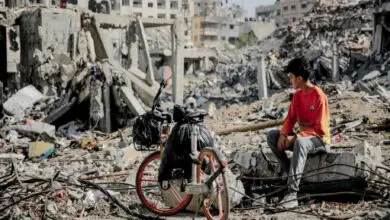
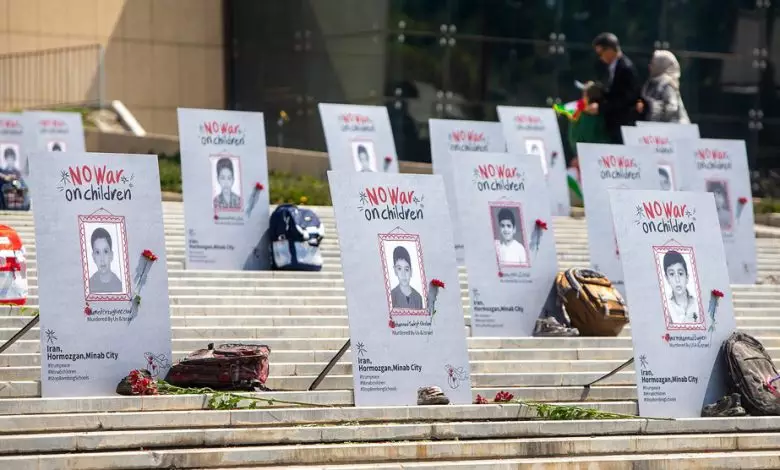
He condemned the hostile regimes for purposefully attacking civilians and civilian infrastructure, including an elementary school in the southern city of Minab, leading to the tragic deaths of over 168 innocent students and school personnel.
The Iranian envoy has urged the UN Security Council to address the persistent threats made by Trump, citing concerns over escalated tensions between the United States and Iran. These threats reportedly encompass severe measures, including bombing Iran “back to the Stone Age,” dismantling its energy and economic infrastructures, and targeting nuclear scientists and senior officials. Moreover, the Iranian Red Crescent Society has released “War Crime Document No. 4,” showcasing the damage inflicted on Tehran’s Gandhi Hospital, allegedly from U.S. and Israeli airstrikes.
The normalization of threats of force, acts of aggression, and inflammatory rhetoric by a permanent member of the Security Council establishes a concerning precedent.
In a recent statement, Iravani asserted that the United States and the Israeli government, along with those who supported and enabled their actions, should be held fully accountable, both legally and internationally, for their grievous offenses against Iran.
He emphasized that no state should be allowed to hide behind political immunity while breaching the United Nations Charter and indiscriminately attacking civilians.
The envoy has called on the global community to renew its dedication to the core principles of the United Nations Charter, emphasizing the importance of sovereign equality of states, the prohibition of force, peaceful resolution of conflicts, and the complete respect for the territorial integrity and political independence of nations. In a formal communication to the UN, numerous international lawyers have described the US-Israeli military actions against Iran and Lebanon as a clear breach of international law, equating them to the crime of aggression. They have urged the international community to take swift action to halt the hostilities.
Furthermore, he emphasized that Iran’s actions during the conflict were in accordance with its rightful claim to self-defense, dismissing any efforts to misrepresent the situation as baseless and driven by political agendas.
The US-Israeli military operations against Iran commenced on February 28, marked by airstrikes targeting and eliminating high-ranking Iranian officials and military commanders.
The Iranian military has reportedly executed a series of 100 successful retaliatory strikes targeting key American and Israeli strategic sites across the region.
On April 8, forty days following the outbreak of hostilities, a temporary ceasefire mediated by Islamabad was implemented. Despite this pause in conflict, the initial Tehran-Washington negotiations concluded without achieving any agreement.
The United States has independently prolonged the ceasefire following its expiration, accompanied by the implementation of a stringent “naval blockade” against Iran, which has drawn criticism for its harsh measures.
Tehran has hesitated to engage in a further series of discussions, highlighting what officials describe as excessive demands from Washington and acts of piracy against Iranian vessels as primary obstacles to resolving the conflict.