Iranian Lawmakers Condemn EU Parliament’s ‘Hostile, Hypocritical’ Resolution
Iranian legislators have issued a strong rebuke to the European Parliament's adoption of what they described as a "hostile and hypocritical" resolution against Iran. They asserted that such actions would not influence the Iranian people.
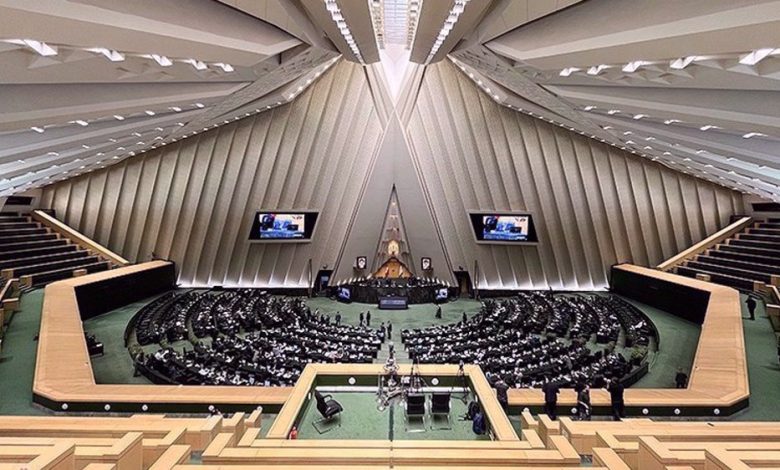
On Sunday, a group of lawmakers criticized the European Parliament’s recent resolution, describing it as a blatant instance of meddling in Iran’s domestic matters.
The statement emphasized that persisting with what it termed a “hostile and irresponsible” strategy would fail to weaken the resolve of the Iranian nation. Instead, it warned that such actions would further erode the political and moral standing of European authorities on the global stage.
The statement highlighted that the European Parliament, unable to address its internal challenges within the EU, is now resorting to distraction by meddling in the affairs of other nations. This strategy seemingly aims to obscure its shortcomings and avoid responsibility to its European constituents.
The European Union Parliament has been accused of meddling in Iranian domestic matters under the guise of human rights advocacy in the Islamic Republic, according to statements from Iranian lawmakers. They further asserted that this resolution equates to providing tangible support for terrorism and terrorist organizations.
In light of conclusive documents and irrefutable evidence, certain foreign intelligence services have been linked to having a “direct and organized connection with the leaders of terrorist groups,” according to reports. It was further detailed that the killing of innocent people on January 8 was executed with their assistance.
However, it was observed that a few days later, the widespread participation of Iranians in rallies throughout the nation “clearly demonstrated national unity and cohesion,” reflecting their rejection of disorder, chaos, and insecurity.
Iranian lawmakers asserted that the large-scale rallies effectively thwarted the enemy’s scheme to destabilize the nation’s order and security.
Authorities clarified that the international instigators of the unrest subsequently turned to global pressure tactics, including the issuance of political resolutions and the intensification of sanctions, further unveiling their adversarial intentions and objectives.
Members of the Iranian legislature have asserted that the European Parliament, along with several European nations, holds direct legal and political accountability for allegedly endorsing, facilitating, and paving the path for terrorist activities targeting the Iranian populace. They emphasized that these entities cannot shirk their responsibility toward the Iranian nation and global public opinion.
European nations have been accused of maintaining silence regarding alleged Israeli actions against Palestinians while purportedly backing what is described as a terrorist regime. Concurrently, these countries face criticism for perceived double standards after passing a resolution against Iran and making allegations against the Islamic Revolution Guards Corps (IRGC), an entity noted for its significant role in combating terrorism in the region.
In late September, Tehran and several other cities witnessed peaceful demonstrations by merchants, driven by severe economic difficulties exacerbated by years of Western-imposed sanctions.
Iranian authorities initially recognized the validity of certain demands, but officials later stated that the demonstrations were overtaken by rioters supported by the United States and Israel, with the intention of inciting violence and chaos.
Iran’s Foundation of Martyrs and Veterans Affairs subsequently disclosed that a total of 3,117 individuals lost their lives amid the unrest. This figure comprises 2,427 civilians and security personnel, with the report emphasizing that numerous innocent lives were claimed by orchestrated terrorist factions.
In a statement released by Iran’s Security Council, it was reported that the height of the violence occurred on January 8 and 9. During this period, perpetrators engaged in “Daesh-style crimes,” which involved acts such as beheadings, stabbings, and burning individuals alive. The assaults also targeted bazaars, shops, banks, mosques, hospitals, ambulances, and various other public infrastructure systematically.
In a resolution passed on Thursday, the European Parliament members expressed “full solidarity” with the Iranian people and urged the designation of the Islamic Revolutionary Guard Corps (IRGC) as a terrorist organization.