Iranian Official Urges Immediate Withdrawal of US Forces from Region
A prominent Iranian lawmaker has issued a stern warning to American military personnel, urging them to promptly withdraw from West Asia amidst escalating retaliatory actions by Iran against adversary targets throughout the region.
Ebrahim Azizi, head of Iran’s parliamentary National Security and Foreign Policy Committee, took to platform X on Sunday to issue a stern warning. This statement followed remarks by Ayatollah Seyyed Mojtaba Khamenei, the Leader of the Islamic Revolution, who warned that the United States could face “unforgettable lessons” should it persist in its attacks against the Islamic Republic.
He stated that if U.S. troops fully grasped the significance of the “unforgettable lessons” mentioned by their leader, they wouldn’t hesitate to retreat immediately.
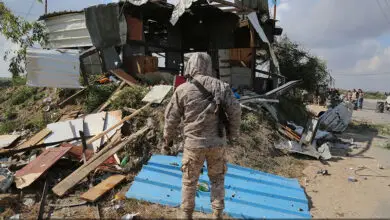
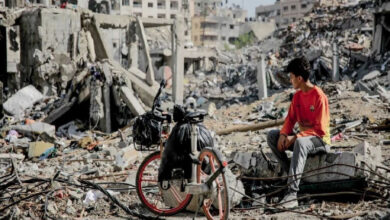
For over a week, the United States military has engaged in a series of aggressive airstrikes over Iran, alongside reinstating a blockade on Iranian ports. These actions are in direct violation of an established war-termination agreement. There have been reports of civilian infrastructure being deliberately targeted, resulting in numerous casualties.
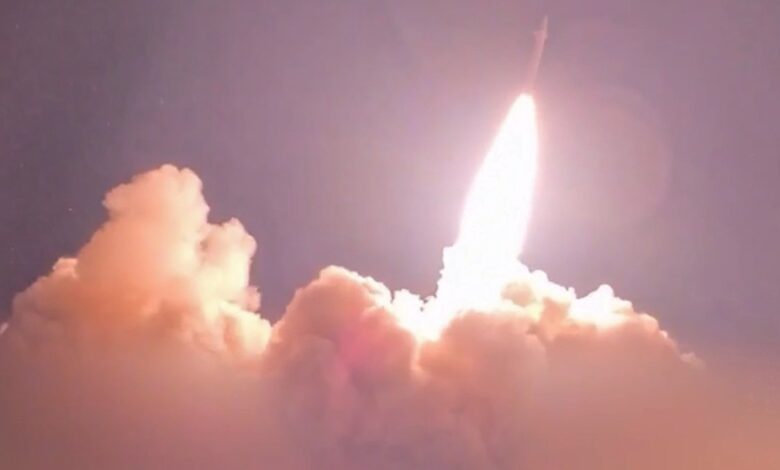
In retaliation, Iranian military forces have initiated significant counterattacks targeting key American installations throughout the region.
The United States and Israel initiated a military conflict against Iran on February 28. However, after forty days, on April 8, they were compelled to agree to a ceasefire due to Iran’s determined resistance, effective counterattacks, and strategic control over the Strait of Hormuz.
On June 17, Tehran and Washington reached an agreement facilitated by Pakistan, signing a Memorandum of Understanding (MoU). This document stipulates a permanent cessation of hostilities on all fronts and incorporates a pledge from both parties to engage in additional discussions towards a conclusive agreement within the upcoming 60 days.
Washington breached every aspect of the agreement, prompting a strong reaction from Iran.